Frölich Wesen: CD-Taufe

Das Liederbuch des Ambrosius Kettenacker
Do. 17.12.26 19:00 Intro 19:30 Konzert

Dorfkirche Riehen

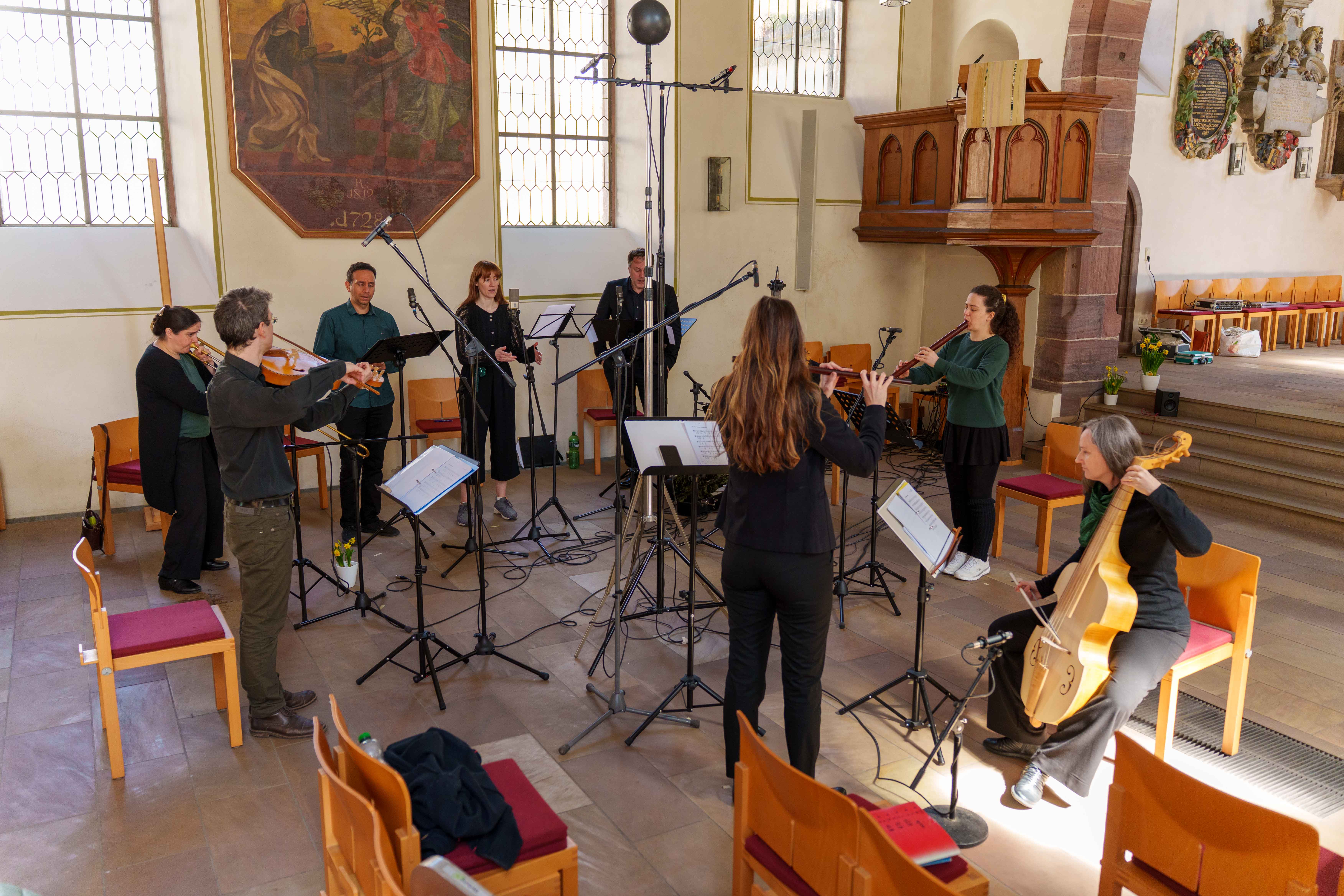
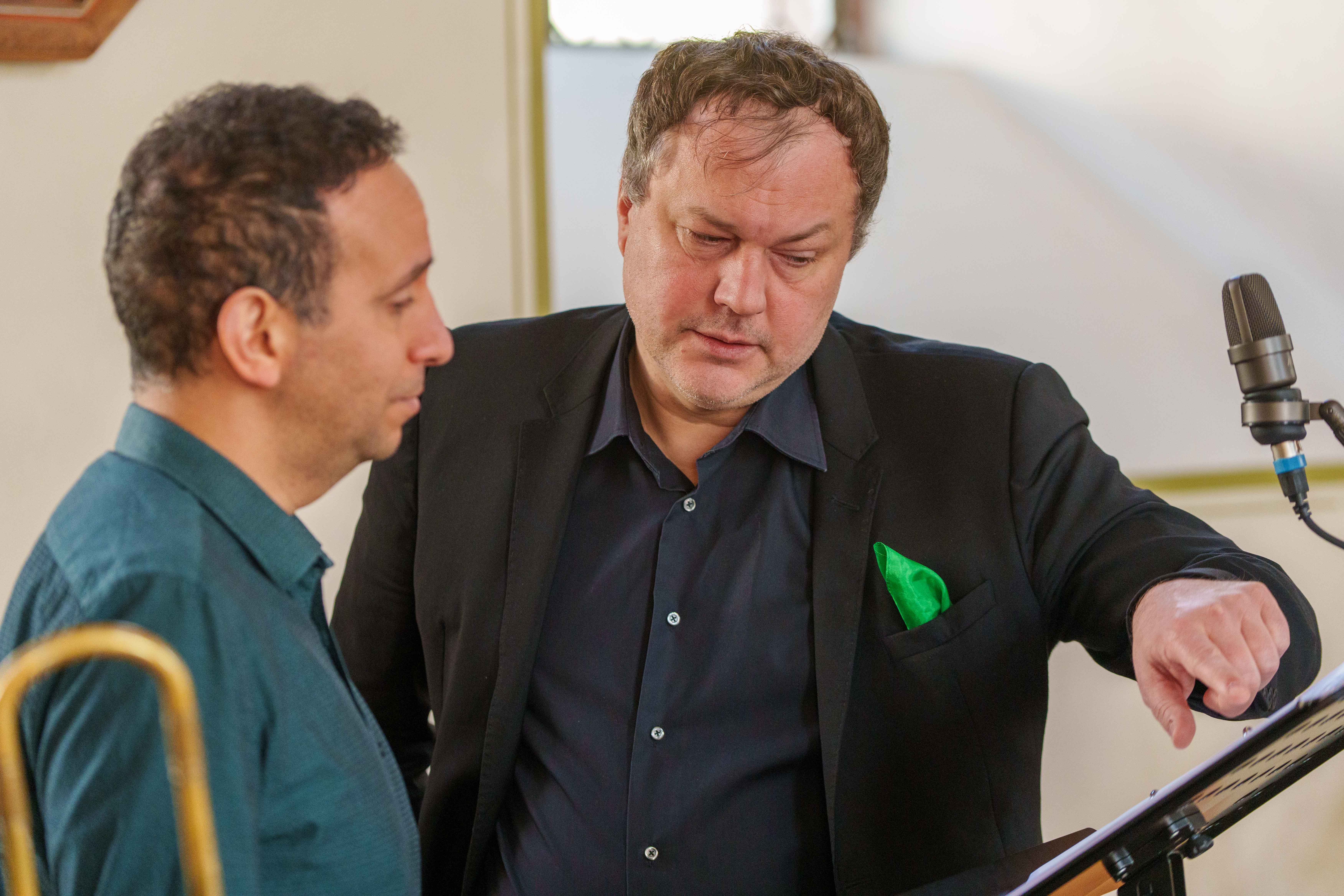
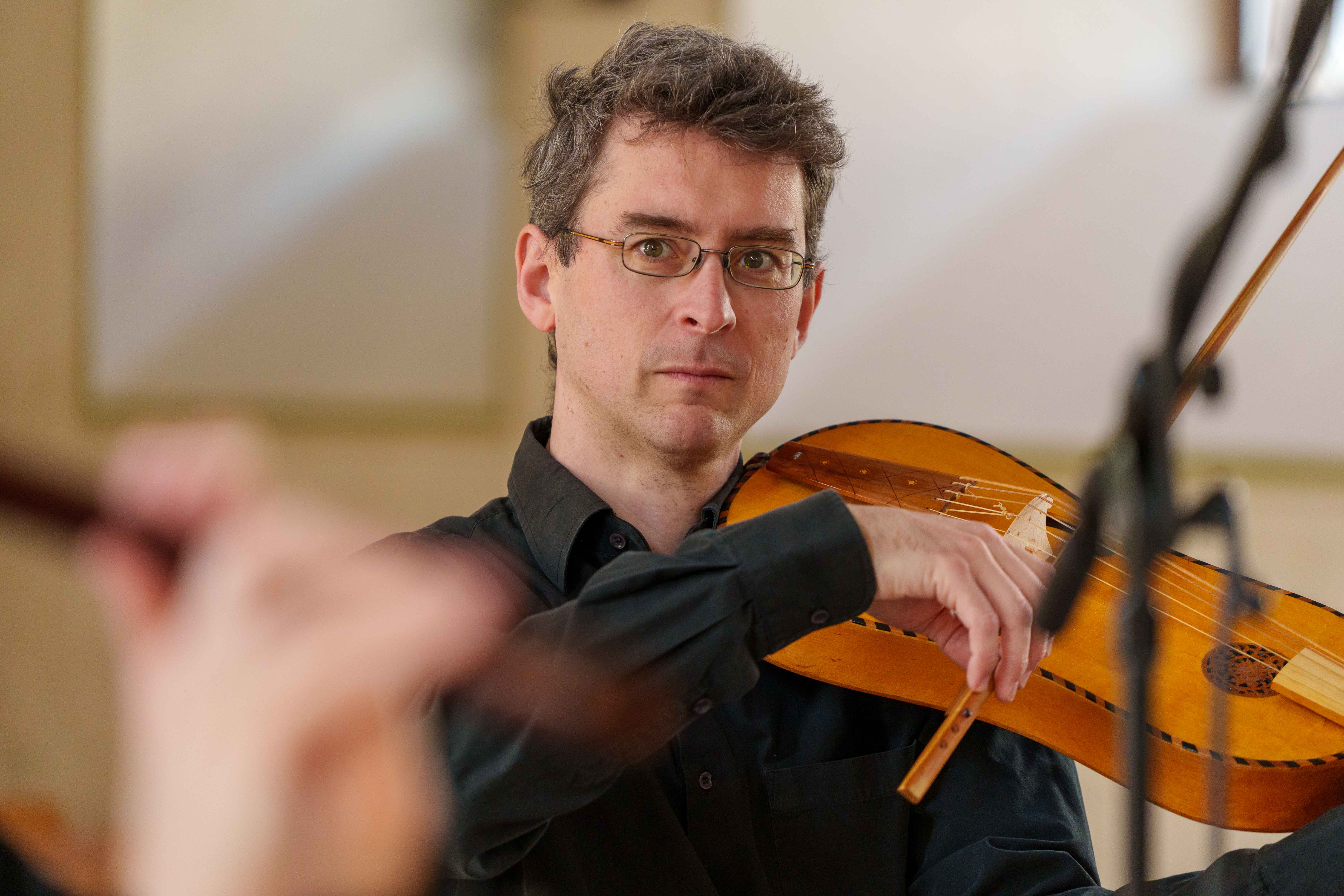
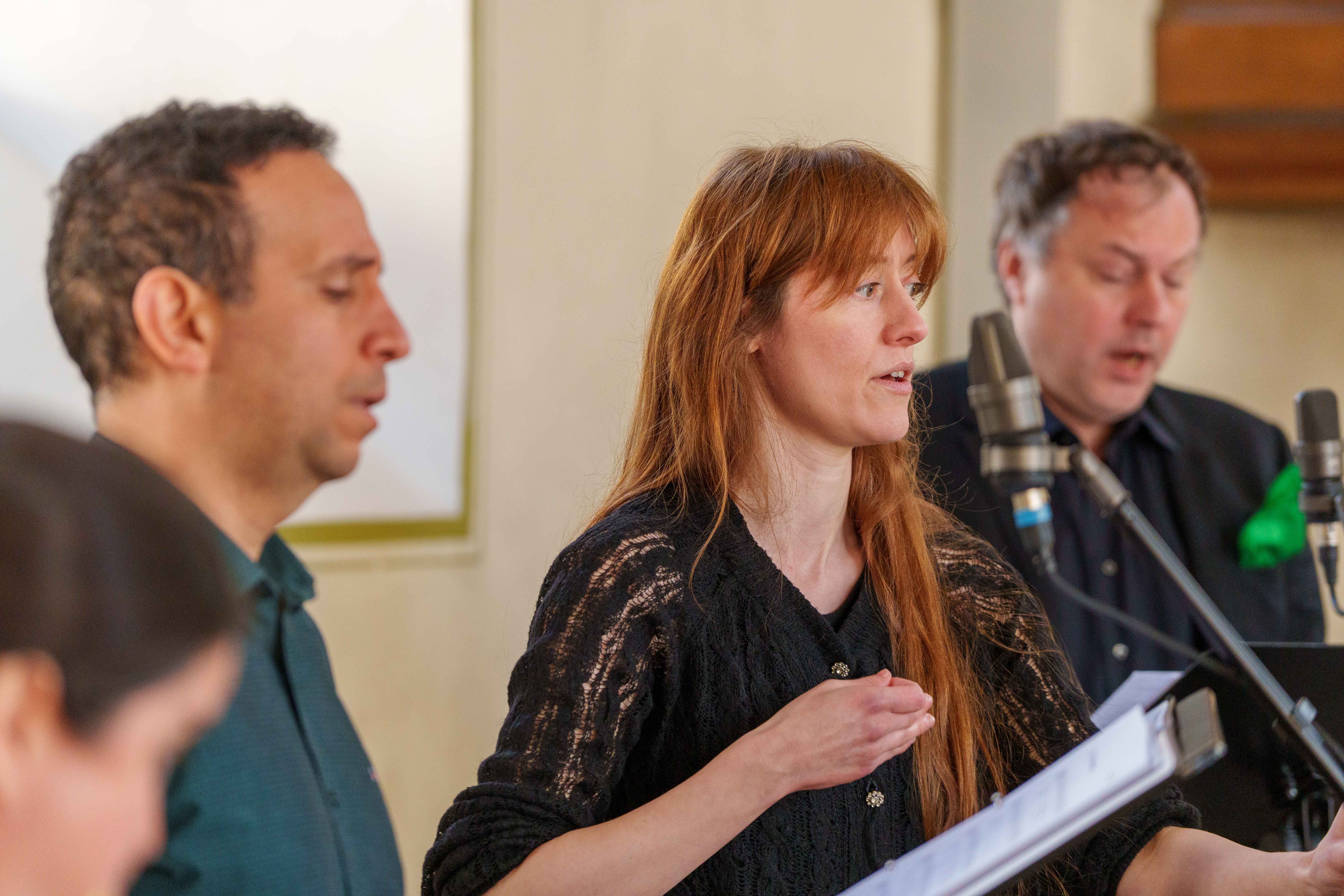
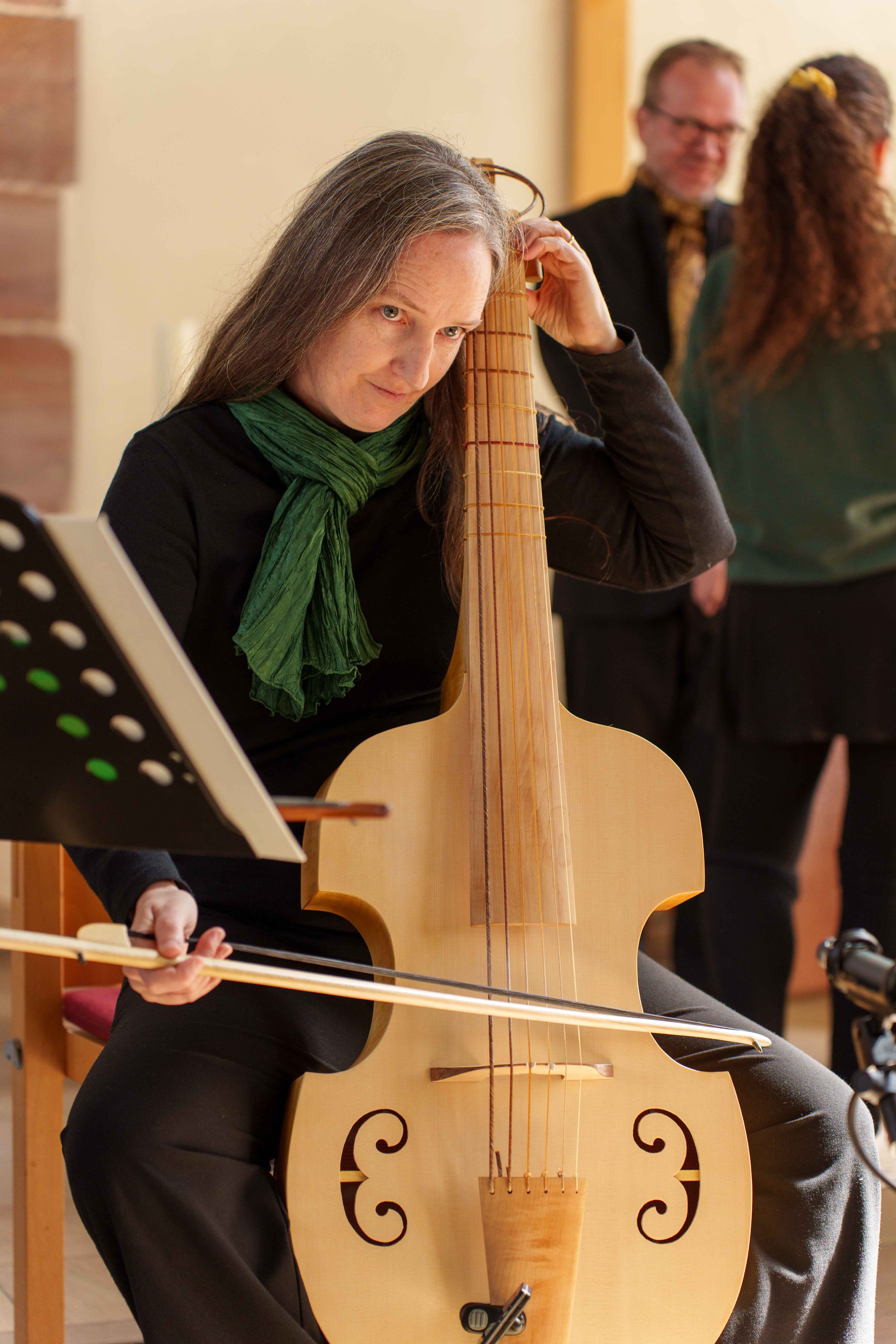
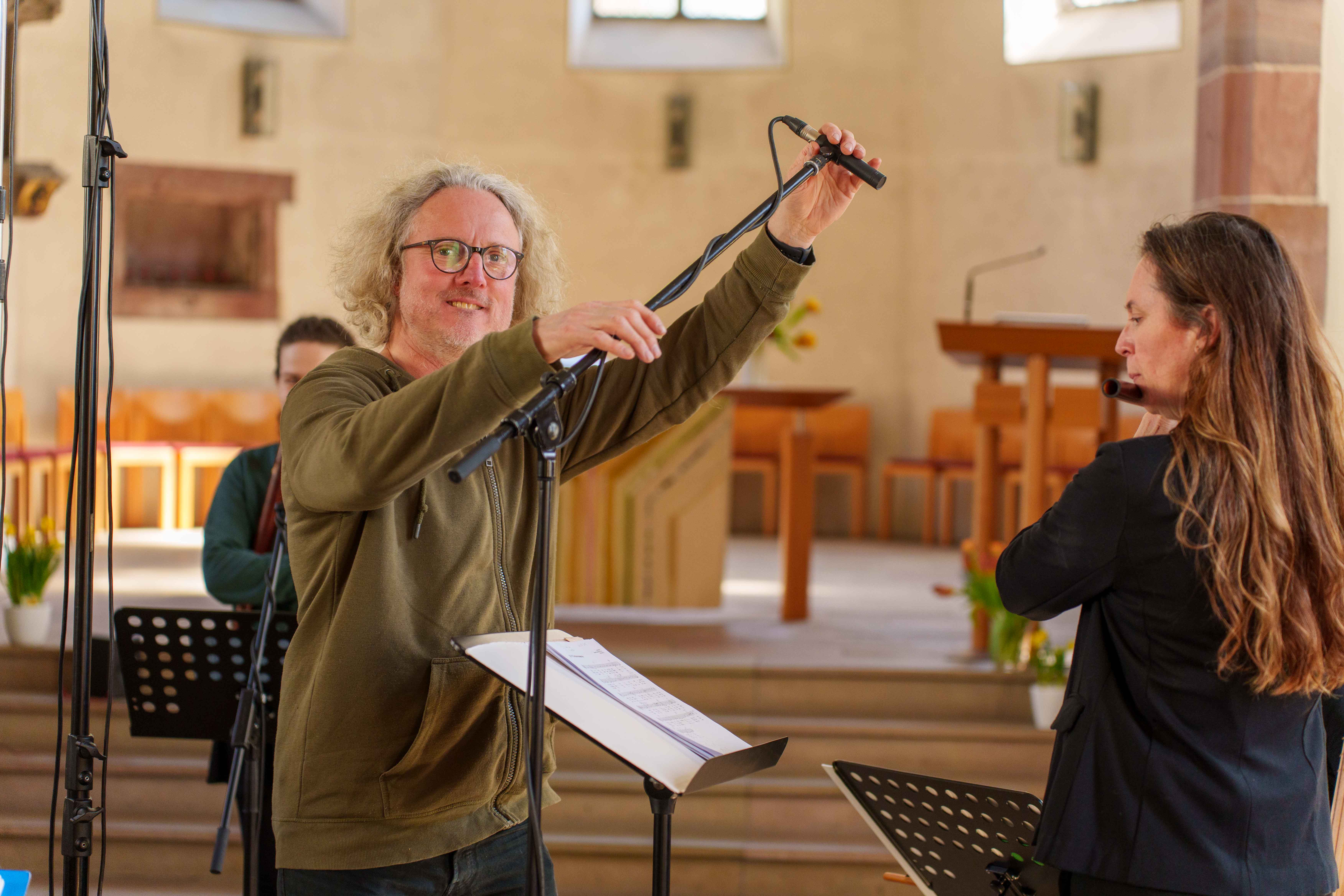
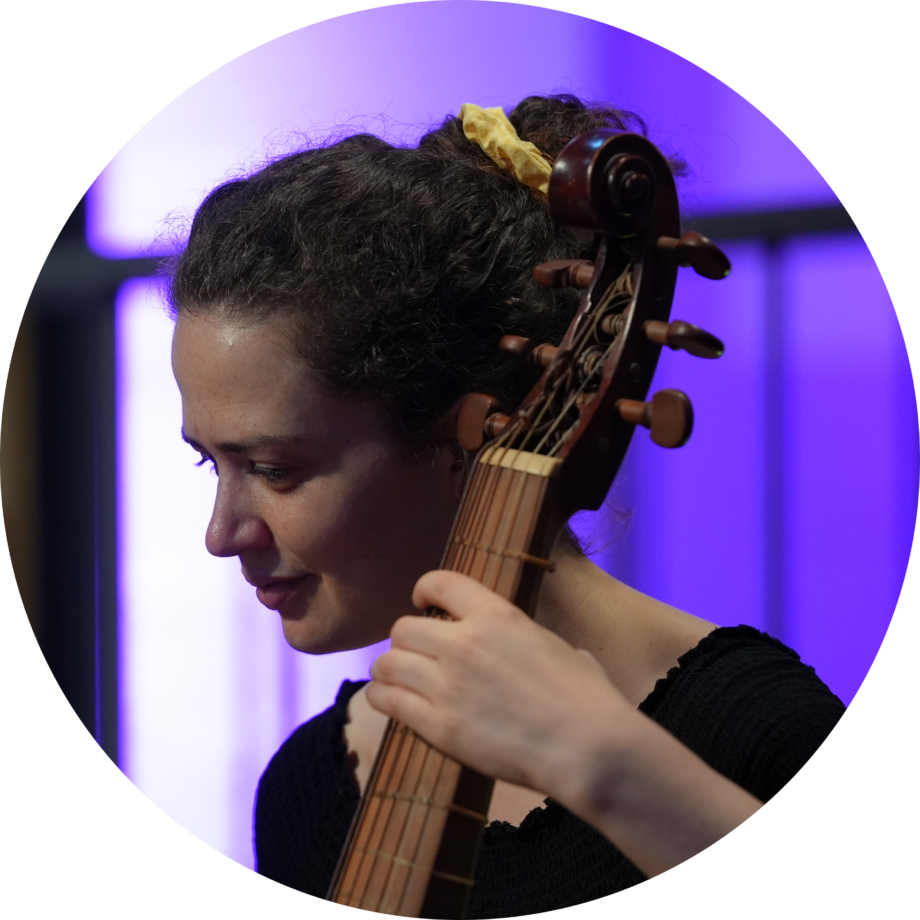
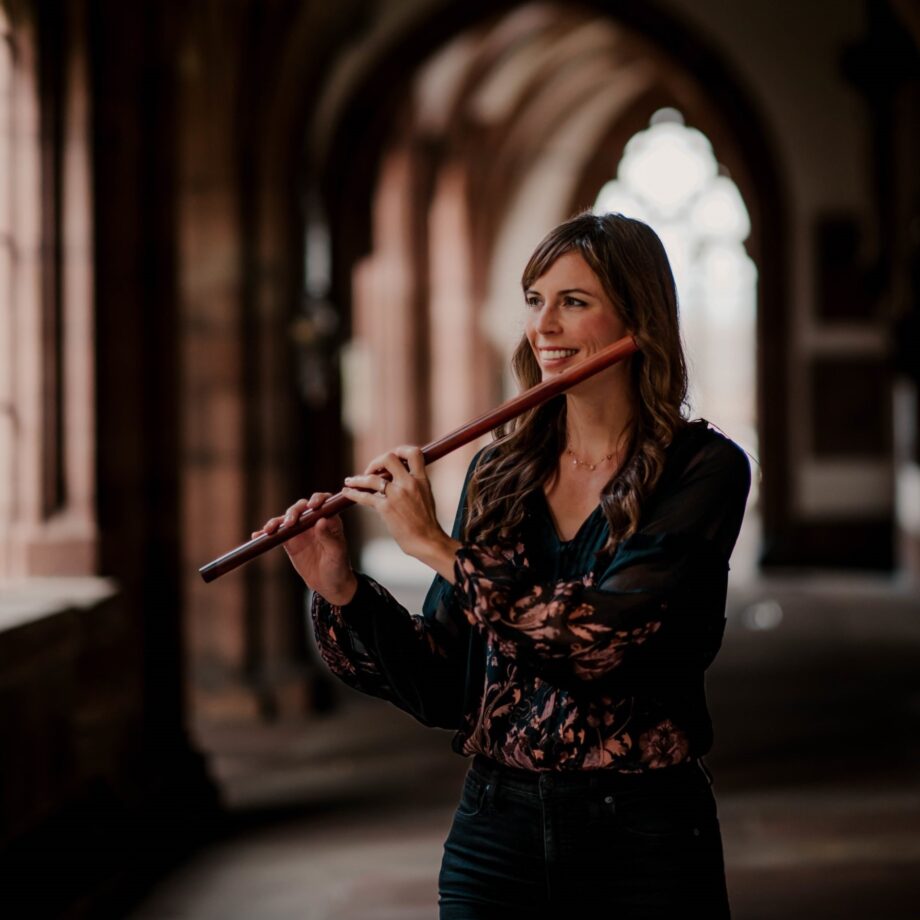
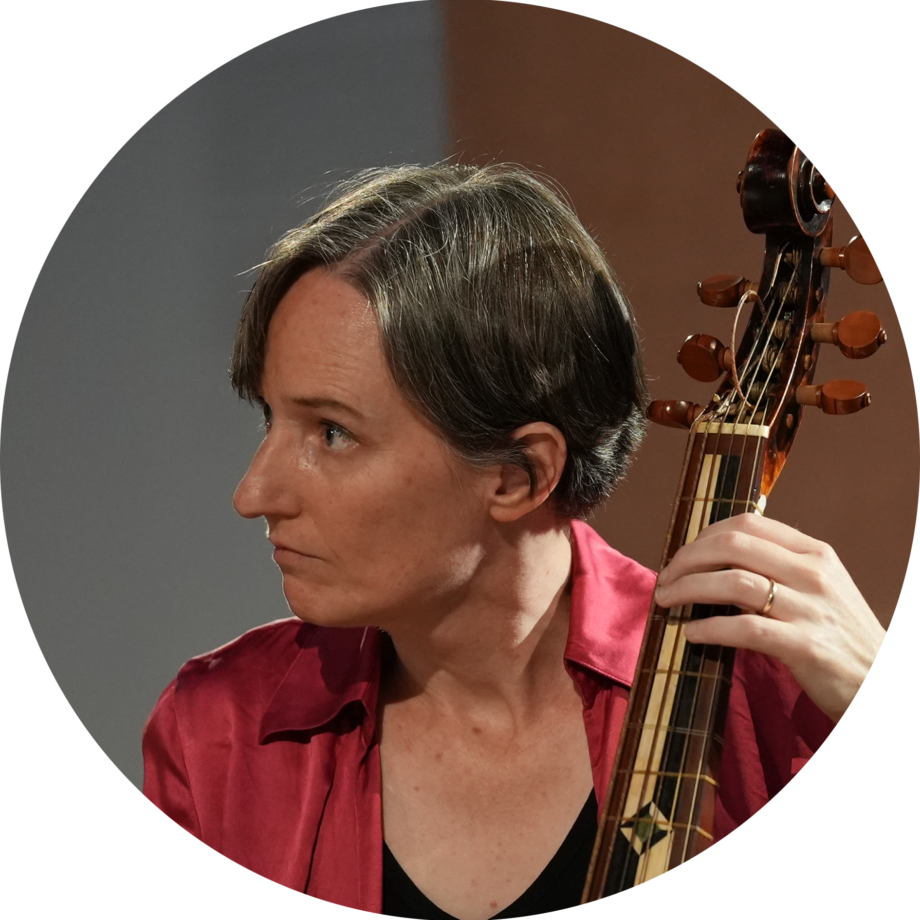
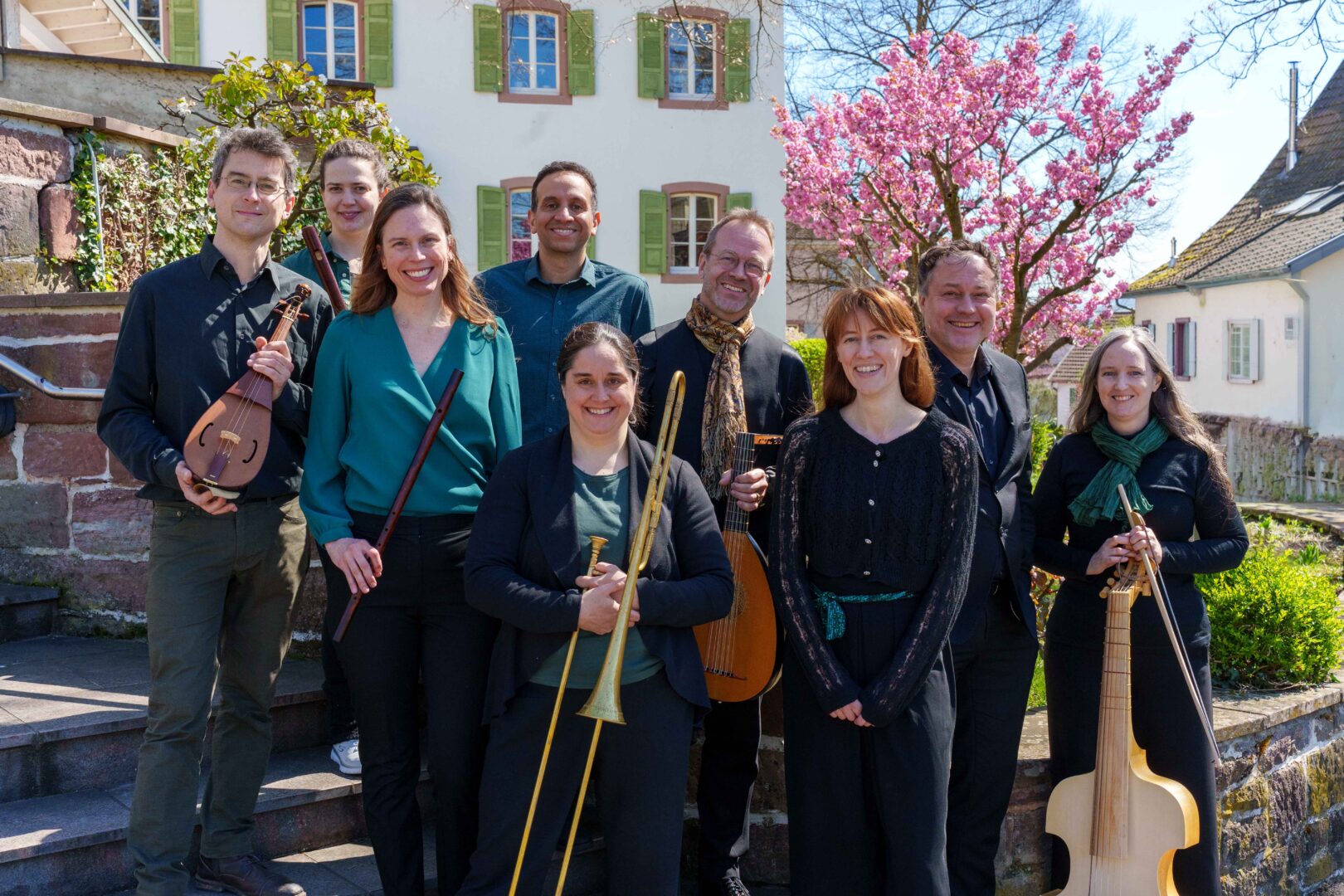
Baptiste Romain, Tabea Schwartz, Holly Scarborough, Ivo Haun, Catherine Motuz, Marc Lewon, Grace Newcombe, Raitis Grigalis, Elizabeth Rumsey. Foto: Andrew Burn

Riehens musikalisches Erbe in die Welt tragen

Riehen war schon im 16. Jahrhundert enger mit Europa verbunden, als man vermuten würde. Davon zeugt das Liederbuch des Reformators Ambrosius Kettenacker. Während er in der Dorfkirche seine Gemeinde durch die Reformation führte, trug er zugleich eine aussergewöhnliche Musiksammlung zusammen. Sie enthält nicht nur geistliche Lieder, sondern vor allem weltliche Werke – internationale Erfolgsstücke ihrer Zeit.

Erhalten geblieben ist nur die Bassstimme. Um die Musik wieder aufführen zu können, wurden die fehlenden Stimmen mithilfe umfangreicher Forschung rekonstruiert. So wird ein einzigartiger Zugang zur Vergangenheit durch Klang wieder erfahrbar.

Für dieses besondere Konzert kehren wir an den Ort zurück, an dem Kettenacker einst wirkte: die Dorfkirche Riehen. Dort erklingt das Repertoire in einer neuen Interpretation – als klingender Vorgeschmack auf das Reformationsjubiläum 2028. Die Taufe der neuen CD findet im Anschluss an das Konzert statt; sie erscheint rechtzeitig vor Weihnachten und eignet sich auch als besonderes Geschenk.

Basel·ReRenaissance

Grace Newcombe – Gesang, gotische Harfe, gotische Orgel
Ivo Haun – Gesang, Laute
Tabea Schwartz – Grossgeige, Einhandflöte & Trommel, Blockflöte
Elizabeth Rumsey – Grossgeige
Baptiste Romain – Fidel, Rebec, Dudelsack
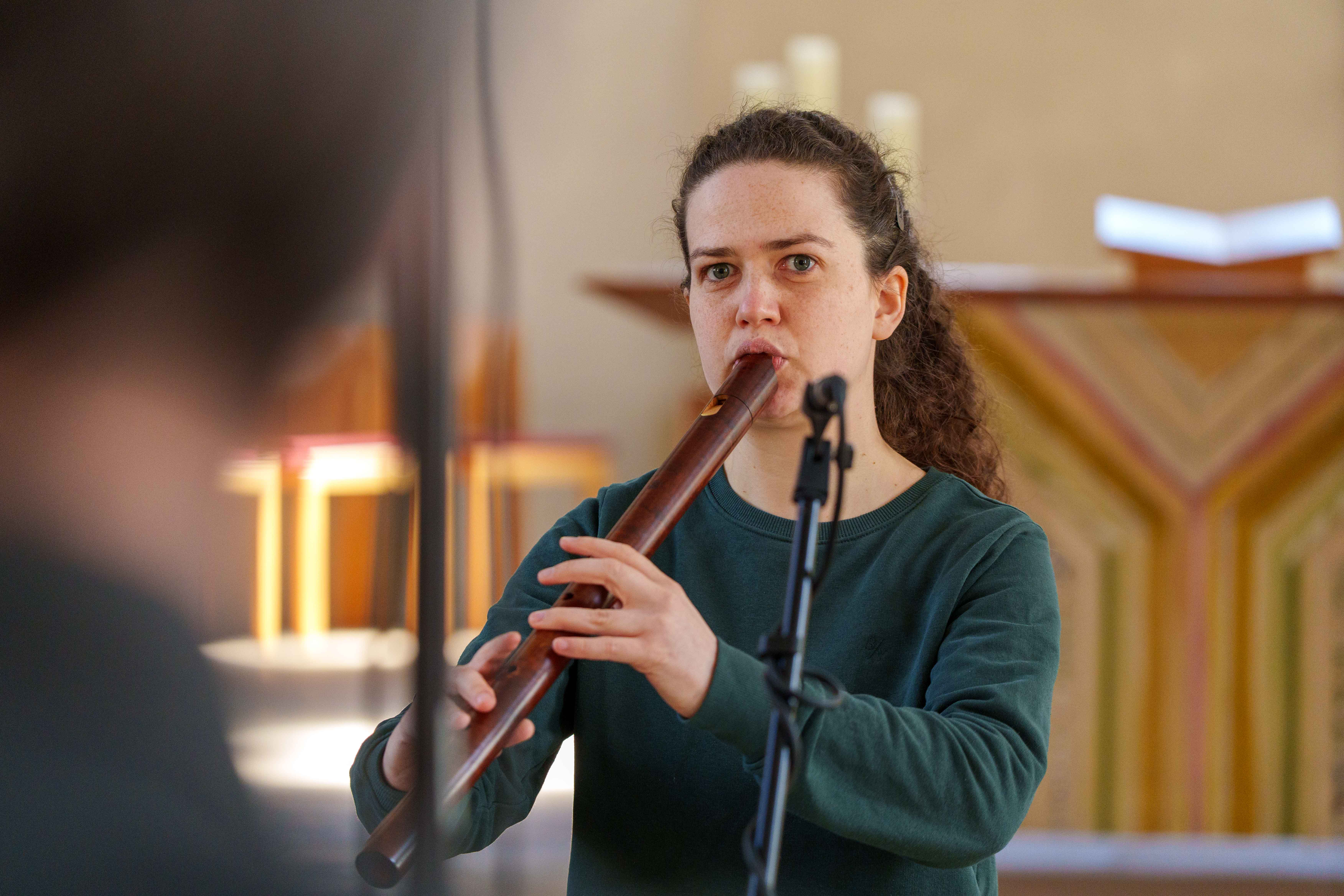
Holly Scarborough – Traversflöte
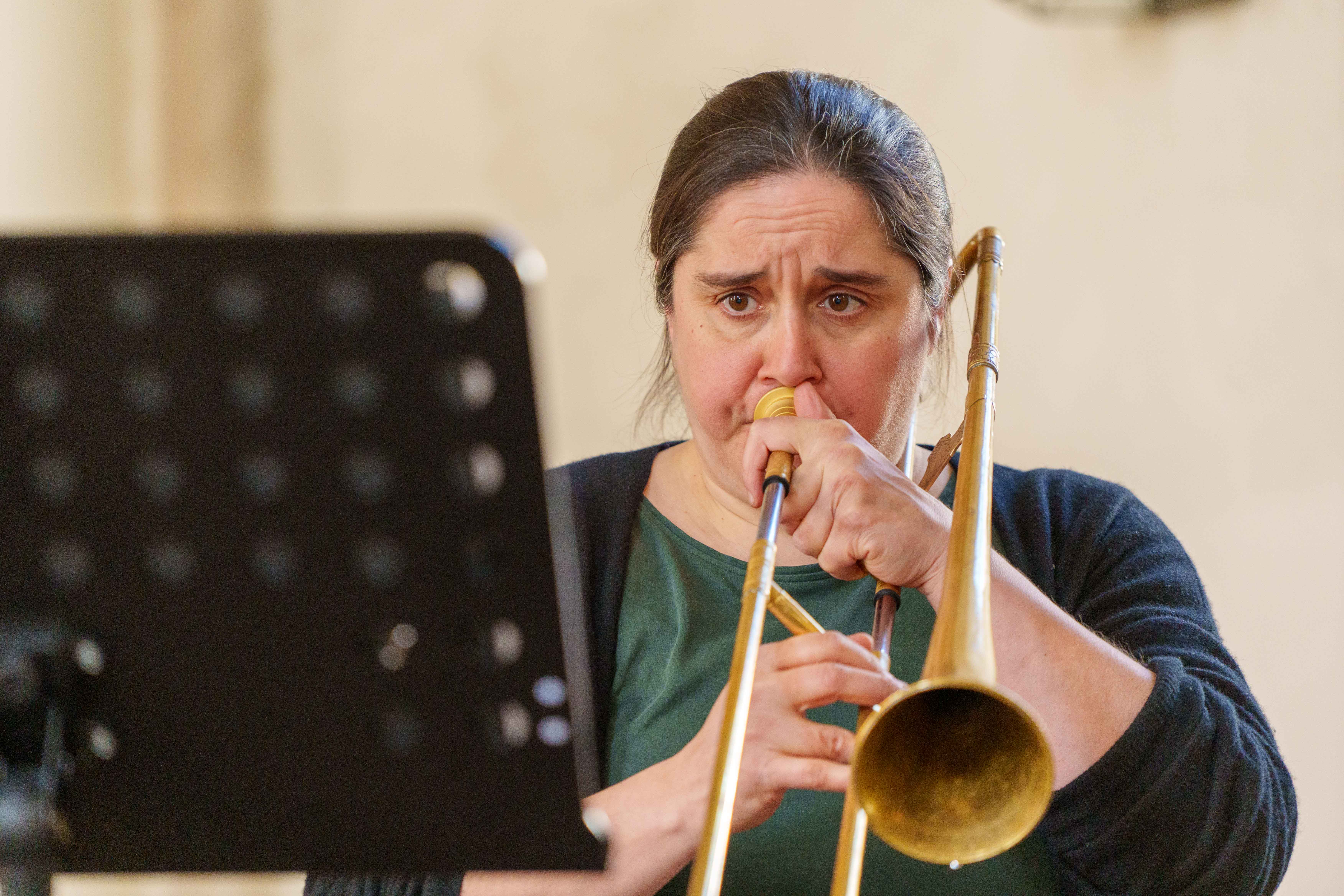
Catherine Motuz – Renaissance-Posaune, Gesang
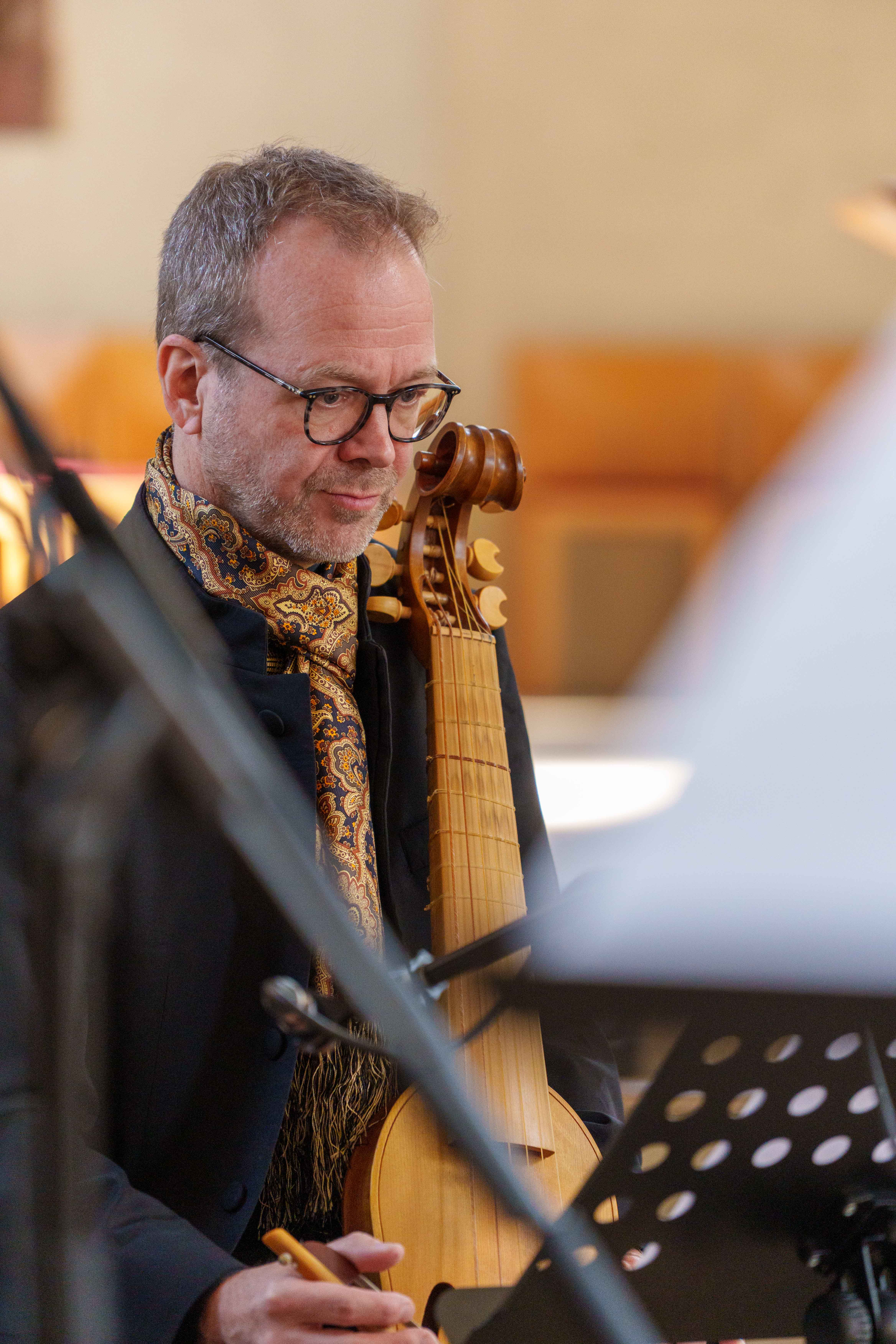
Marc Lewon – Laute, Quinterne, Grossgeige, Gesang; Leitung

Do 17. Dezember 2026
19:00 Konzerteinführung

19:30 Konzert (Dauer: ca. 60 Minuten)
Dorfkirche Riehen
Eintritt frei – Kollekte

CD-Preise

Menge Preis
1 CD CHF 20.–
2 CDs CHF 35.–
3 CDs CHF 50.–

Zahlungsmöglichkeiten: Bar, TWINT oder Kreditkarte
Programm

  1. Die fraw von himel ruoff ich an – Wolffgang Huber
  2. F Du min schatz – anonymous
  3. Wenich gedenck – anonymous
  4. Vs hertzen grund – anonymous
  5. Vn fal wie túst – anonymous
  6. Ich scheid mit leid – anonymous
  7. Isbrüg jch (Innsbruck, ich muss dich lassen) – anonymous
  8. Wer das ellend büwen wel – anonymous
  9. Ach hulf mich leid – Adam von Fulda (c1445–1505)
  10. Frow bin ich din (Froh bin ich dein) – Paul Hofhaimer (1459–1537)
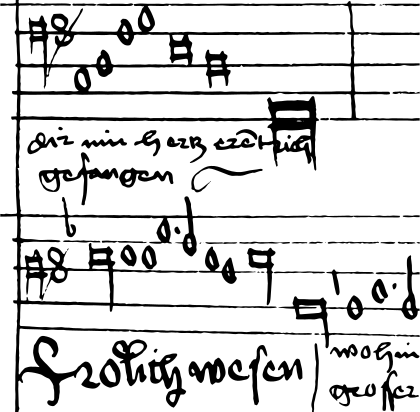
  11. Frólich wesen (Ein frölich wesen) – Jacob Obrecht (1457/58–1505)
  12. Maria zart – Pfabinschwantz (active around 1500)
  13. Fortüna (Fortuna desperata) – Antoine Busnoys? (c1435–1492)
  14. Die vollen bruoder kond oüch dar zú – anonymous
  15. Nie noch niemer end min gemút – anonymous
  16. An Dich kan ich nit frówen mich –anonymous
  17. Paule, liebster Stalbruder mein – anonymous (Basler Flugblatt)

Text & Geschichte

A Basel Songbook Compiled by a Swiss Reformer

Ambrosius Kettenacker played a defining role in the history of Riehen. He served as the village’s pastor from 1519 to 1541 and introduced the Reformation there in 1528—several years before it reached Basel itself. He was closely connected with the Amerbach family and was friends with the reformers Huldrych Zwingli and Johannes Oecolampadius. Erasmus of Rotterdam, another renowned contemporary, praised him in one of his writings.

Kettenacker also left an important legacy to music history. While studying in Basel, he copied a collection of polyphonic songs into four partbooks, which he presented to his friend Bonifacius Amerbach as a gift in 1510. Today, this Kettenacker Songbook is the earliest surviving source and the foundation of the famous Amerbach Music Library.

The songbook contains 28 works, drawn from both local and international repertories. Some survive nowhere else. Unfortunately, only the bass partbook has come down to us. Nineteen of the songs could be reconstructed by comparing them with copies in other contemporary sources. Two more were reconstructed without any parallel sources, including a previously unknown version based on Heinrich Isaac’s famous song Innsbruck, ich muss dich lassen.

The collection offers a rich and varied selection of music: sacred songs from before the Reformation, pilgrimage songs, love songs, and sophisticated works by some of the leading composers of the period, including Jacob Obrecht, Paul Hofhaimer—court organist to Emperor Maximilian I—and Antoine Busnoys.

For this project, ReRenaissance presents this remarkable repertoire in a large-scale performance in Riehen, at the very place where Ambrosius Kettenacker once worked, and in anticipation of the 2028 anniversary of the Reformation he introduced there.

Galerie

2026

September

Quodlibet

Rätsel, Spiel und Spass
Sa. 26.09.26 So. 27.09.26 18:15 Konzert

Kirche Reigoldswil &
Barfüsserkirche, Basel

Oktober

The Queen’s Singers

Die extravagante Hofkapelle der Tudors
So. 25.10.26 18:15 Konzert

Martinskirche
Basel

November

Byrd & the Baron

A Secret Christmas
So. 29.11.26 18:15 Konzert

Barfüsserkirche
Historisches Museum Basel