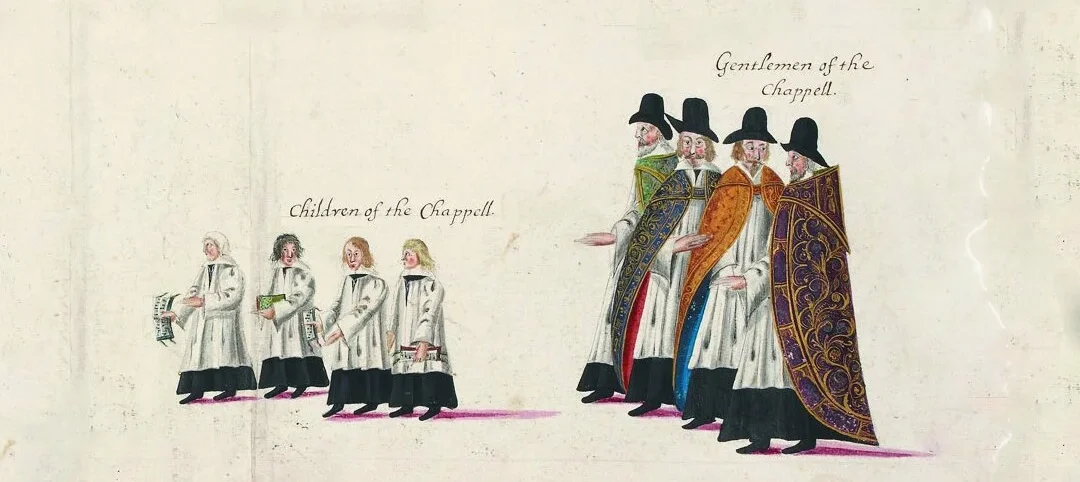
The reign of Queen Elizabeth I marked a golden age of English music. Choral music flourished both at the court’s Chapel Royal and in churches across the kingdom. Choirboys, professional singers, and composers worked side by side, creating a rich repertoire that is still admired today. Westminster was one of the country’s most important musical centres, where church choirs regularly joined together for major celebrations.
We continue that tradition. Together with our audience, we will perform one of the masterpieces of the Elizabethan era: Thomas Tallis’s Spem in alium. Written for eight choirs of five voices each, the work surrounds listeners with sound and remains one of the most extraordinary achievements of Renaissance music.
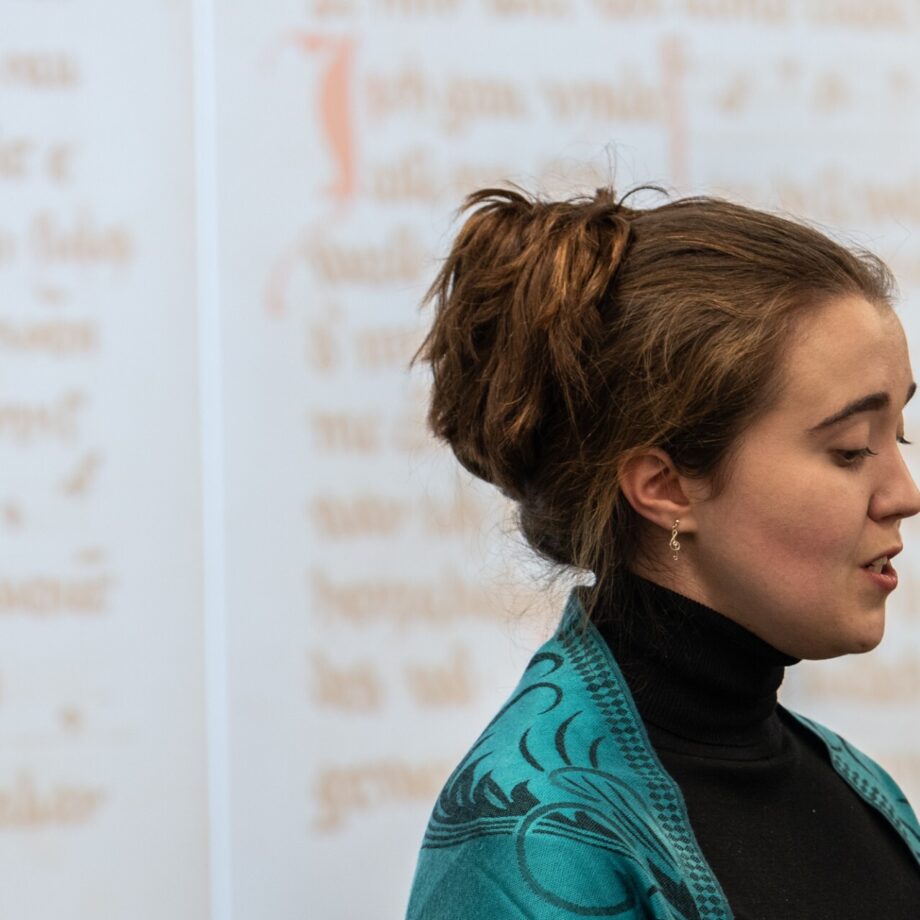
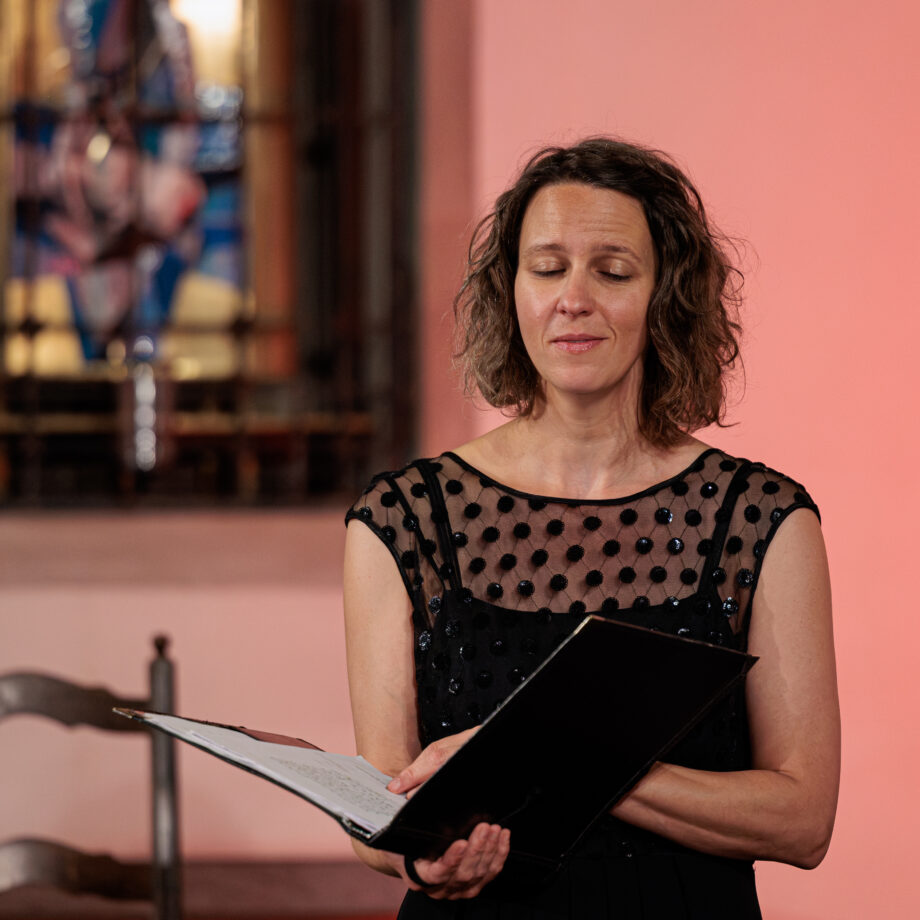
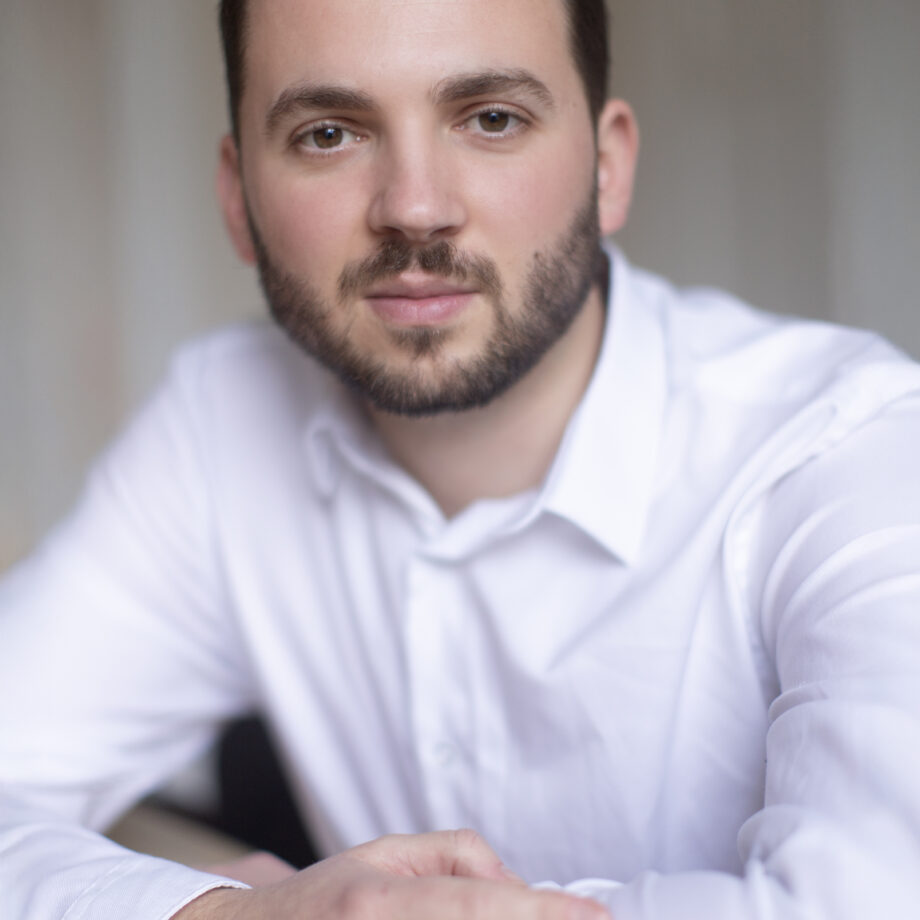
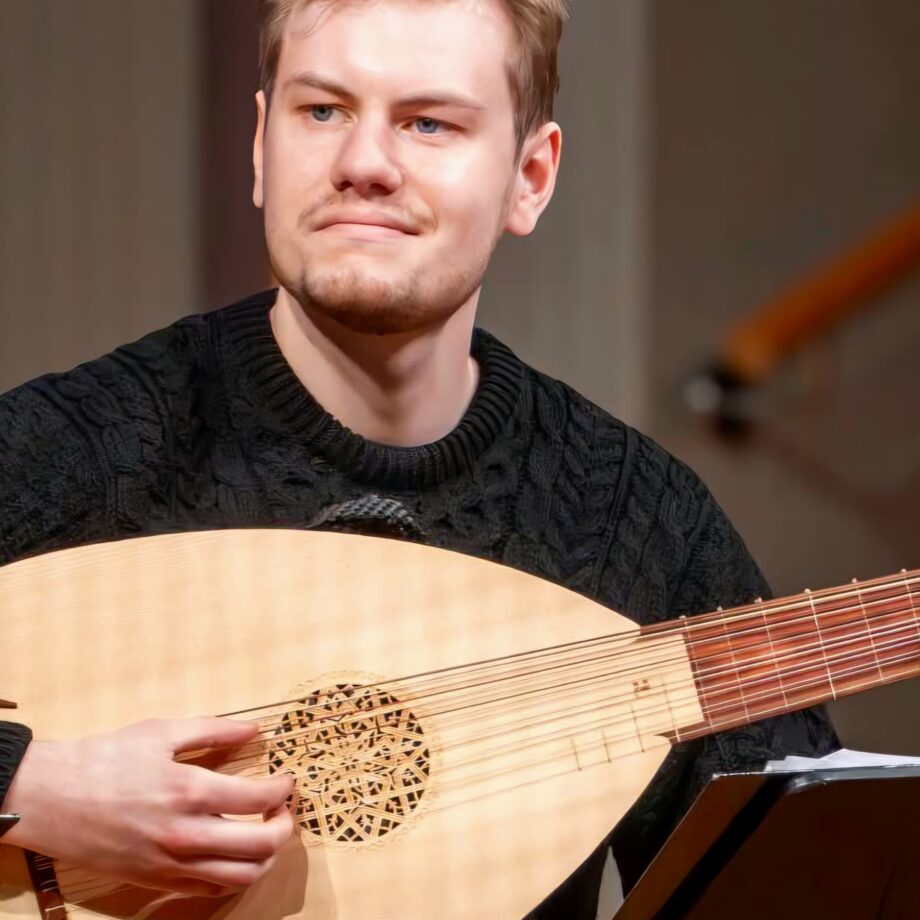
Annelise Ellars – voice
Kaho Inoue – voice
Dorothea Jakob – voice
Tessa Roos – voice
Guillaume Ribler – voice
Marco Cassiano – voice
Martin Kautzsch – voice
Loïc Paulin – voice
James Tomlinson – voice
Kimon Barakos – voice
Jedediah Allen – voice
Josef Laming – organ
Grace Newcombe – voice; project direction
Free entry; collection
Update 14.10.26
Over 100 people have registered for our Project Choir! We’ve decided to close registrations as of today. Singers who are still interested in joining should email <office@rerenaissance.ch> and inquire if there is a space free.
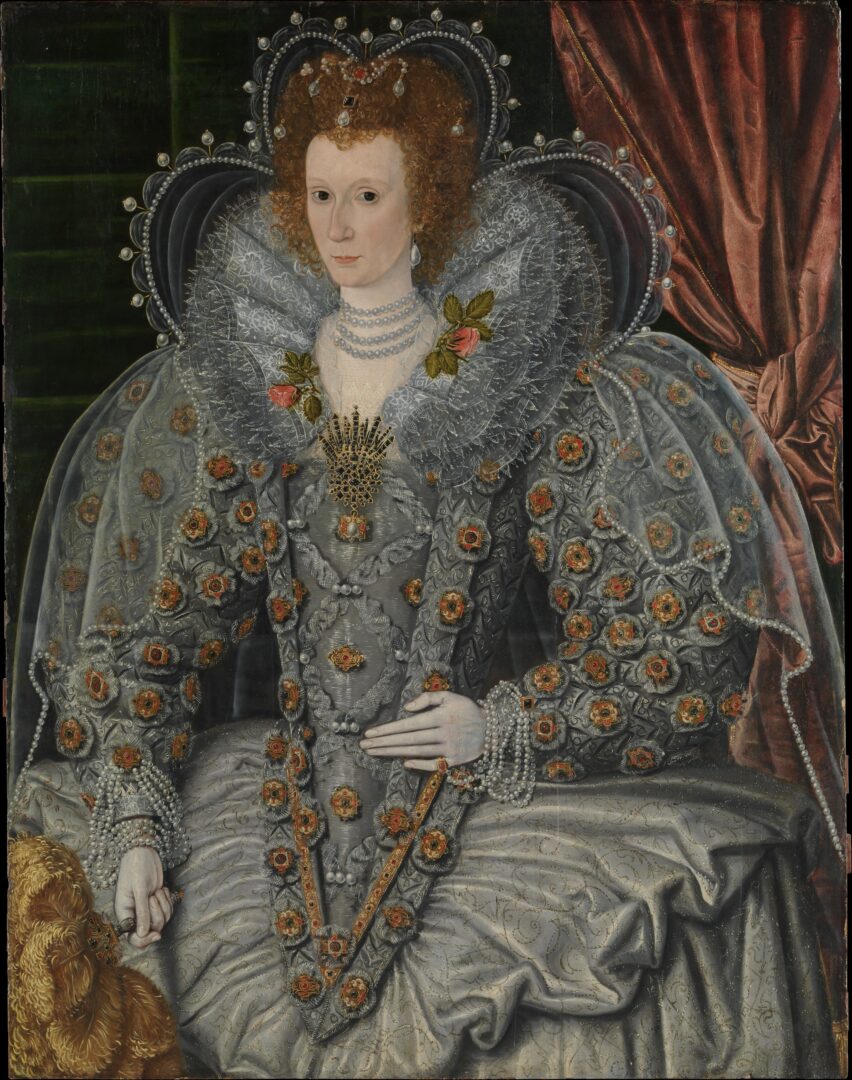
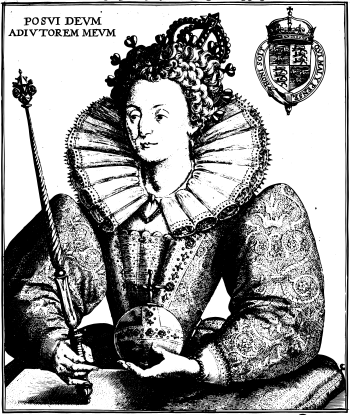
Nicht Elisabeth I, sondern eine unbekannte Adlige, die denselben von der königlichen Familie inspirierten Modetrends jener Zeit folgte. Ihre Kleidung lässt darauf schliessen, dass sie einen ausreichend hohen Rang innehatte, um am Hofe anwesend gewesen zu sein. Anonym, um c1600. New York, Metropolitan Museum of Art.
This month we have the honour of speaking with the British harpsichordist and organist Josef Laming, well known to us in Basel through his many appearances as an accompanist.
TC: To begin, I regularly allow myself the introductory question: how does one find one’s way from Oxford via London to Basel? Is the Schola in Basel recommended at London’s Royal Academy for further study?
JL: Well, I was doing different things at each point. In the UK the organ had a reputation of being the instrument to learn if you want a back-door into Oxford or Cambridge, because colleges may need an Organ Scholar and you could get in with lower grades. That was long since not the case by the time that I applied, but that assumption had seeped its way into the cultural status of the organ. So the organ was sold to me for these purposes, and the actual enthusiasm for the instrument and its music developed gradually alongside.
At Oxford I was studying music (mostly musicology, with some music theory and performance thrown in) as well as being an organ scholar (playing for services, basically a full-time job with 6 services a week). It was only after that I seriously studied harpsichord in London with Carole Cerasi. I think the Schola is indeed recommended to many harpsichordists who are looking to continue studying, not least because you surround yourself with talented colleagues.
TC: Did you start with the piano? How did your fascination with early music begin? Was there a defining experience or a family predisposition?
JL: Yes, I started with the piano. Around the same time I started as a chorister in Leicester Cathedral. It wasn’t one of the most intensive or prestigious of the cathedral choirs – we sang on Sunday morning and 2 evensongs a week – but it was nevertheless a fantastic education, in sight-singing, oral training, reading complex biblical historical English… There I was exposed to early music of various kinds, and so was able to start to understand its language.
TC: What repeatedly impresses lovers of early music about harpsichordists is their play with improvisation, the rules of ornamentation, and the permitted or even forbidden fioriture. Perhaps you could tell us something about this art: what was customary at the time? Did this enthusiasm for improvisation already begin in the Renaissance? Why did it disappear in the Classical period?
JL: You may be looking at it from the wrong end of the telescope there. Rather than asking why they developed a passion for improvising, we may rather ask: “why did they write music down”? But improvising a piece from scratch is of course a different pursuit to adding ornaments, which belongs under interpretation. With ornamentation, there is to some extent a different relationship with the musical text which is fostered in early music, compared to in “conventional” classical music. We are expected to have an understanding, even it may be generalised, of what was normal or expected of performers in different historical periods and different genres or national styles. Many of these decisions are left to us as performers, which for some feels like freedom, and to others feels like a burden of having to read and understand as many of the historical sources as possible. I wouldn’t generalise so far as to say that improvisation (or improvised ornamentation) is alive in early music and dead in classical music – I would say we learn and stick to different rules which can be either rigidly followed or broken, depending on the performance.
Of course there is a contrast in taste between many historical authors, who deem ornaments as completely essential, and today, where the aesthetic of minimalism is still received favourably by many. Trying to reconcile this contrast is one of the joyful tasks of studying historical performance practice.
TC: How did the move to the organ come about? One usually does not play in an ensemble there – are these also two completely different social musical experiences for you?
JL: I studied organ before harpsichord, but it’s true that I turned again to the organ for a master’s after my harpsichord studies. Of course both instruments can be played in an ensemble or solo setting, but the harpsichord is more often social, which is one of the things which attracted me to it in the first place. Ideally we should capture the spirit of ensemble playing in our solo playing and capture the discipline of solo playing in our ensemble playing!
TC: What do you think of so-called crossover projects that try to build bridges between different musical experiences and styles, for example from Baroque to jazz? Or to modern theatre or dance?
JL: Those are two very different things you mention. Firstly, on cross-over projects between musical styles, I try to approach every concert with open ears. But there is a danger of reducing each genre to a lowest common denominator. For two different languages to be mutually understood, they may need to simplify their vocabulary at the cost of poetic refinement.
On “interdisciplinary” projects with Theater or dance: early music is much more at home in such a context than in the anachronistic modern concert form!
I’ll be there
by David Fallows
I wrote about Tallis’s miraculous forty-voice motet Spem in alium earlier in the year. Today my mind is more on two other miraculous works in this concert, Jesus autem transiens and This is the record of John. The first, by Robert Wylkinson and the last piece copied into the Eton Choirbook, is a thirteen-voice canon with all voices at the same pitch and scrupulously avoiding any parallel fifths or octaves (just as in Spem in alium, but perhaps a harder task). The entries are marked for the twelve apostles, plus Jesus by implication for the first entry. I have never heard the piece: it seems to be the only complete work in the Eton Choirbook never to have been recorded.
I have loved This is the record of John by Orlando Gibbons ever since I first sang it at the age of 15. It sets the passage in John’s gospel when the Jews sent “priests and levites” to John asking who he was, to which he replied “I aaammmm not the Christ” with a magical melisma on ‘am’. Then they ask him if he was a prophet “and he answered: no” in abrupt single notes. Finally, they ask him who he is and he eventually rhapsodizes that he is a voice crying in the wilderness “make strait the way of the Lord”. These few words can hardly cover why this tiny verse anthem seems to me one of the most perfect compositions in the history of music. But I take great pleasure in inviting readers to share my joy. I’ll be there!
1 A solis ortus cardine – John Sheppard (c1515–1558)
Oxford, Christ Church, Mus. 979–983 («Baldwin Partbooks»), Mus. 979 (Superius): S. 192–194, Mus. 980 (Discantus): S. 199–200, Mus. 981 (Altus): S. 201–202, Mus. 982 (Sextus): S. 24–25, Mus. 983 (Bassus): S. 187–188
2 Improvisation: A solis ortus cardine – Josef Laming
3 O Lord the maker of all thinges – William Mundy (c1529–1591)
Oxford, Christ Church, Mus. 1220–1224 («Christ Church Cathedral Partbooks»), Nr. 103
4 Magnificatt for trebles – Thomas Weelkes (c1576–1623)
Cambridge, Peterhouse, Perne Library, MS 33, 34, 38, 49 («Peterhouse Partbooks: Former Caroline Set»), MS 33 (Cantoris Bass): fol. 46r–47r, MS 34 (Cantoris Medius): fol. 53r–53v, MS 38 (Decani Bass): fol. 54v–55v, MS 49 (Cantoris Contratenor I): fol. 51r–51v
5 Felix namque – Thomas Preston (d1563)
London, British Library, Add. MS 29996, fol. 45v–47v
6 Sanctus & Benedictus (Missa Euge bone) – Christopher Tye (c1505–c1573)
Oxford, Bodleian Library, MS Mus. Sch. e. 376–381 («Forest-Heyther Partbooks»), MS 376 (Discantus): fol. 121v–122r, MS 377 (Altus): fol. 112r–112v, MS 378 (Contratenor): fol. 131v–132r, MS 379 (Tenor): fol. 94v–95r, MS 380 (Bassus): fol. 102v–103r, MS 381 (Sextus): fol. 102v–103r
7 A Fancy in C fa ut – Orlando Gibbons (c1583–1625)
London, British Library, R.M.23.L.4, fol. 105v–106r
8 This is the record of John – Orlando Gibbons (c1583–1625)
Cambridge, Peterhouse, Perne Library, MS 35, 36, 37, 42, 43, 44, 45, 46 («Peterhouse Partbooks: Latter Caroline Set»), MS 35 (Decani Tenor): fol. L1, MS 36 (Cantoris Bass): fol. N2v, MS 37 (Decani Bass): fol. L1, MS 42 (Decani Contratenor): fol. H1, MS 43 (Cantoris Tenor): fol. i1v, MS 46 (Organ Book): fol. 5v
9 Veni Redemptor – John Bull (c1562–1628)
Oxford, Christ Church, Mus. 1113, p. 150-152
10 Jesus autem transiens – Robert Wylkynson (c1450–nach 1515)
Eton, Eton College Library, MS 178 («The Eton Choirbook»), fol. 126v
11 O praise the Lord, all ye heathen – Thomas Tomkins (1572–1656)
New York, Public Library, Music Division, Mus. Res. Drexel 4180–4185, MS 4180 (Discantus): fol. 166v–167r, MS 4181 (Altus): fol. 177v–178r, MS 4182 (Contratenor): fol. 181v–183r, MS 4183 (Tenor): fol. 163v–164r, MS 4184 (Bassus): fol. 148v–149r, MS 4185 (Sextus): fol. 69v–70r
12 Spem in alium – Thomas Tallis (1505–1585) / London, British Library, MS Egerton 3512, fol. 1r–6v
Vorbereitungsmaterialen: Thomas Tallis Society Editions 2020 / Hugh Keyte
With thirteen consort musicians on stage, and more than one hundred community singers joining the final piece, this is the largest scale single concert thus far for ReRenaissance, and for myself as an organiser and director. Its scope has made the programme selection one of the most interesting; despite not having real feast-day Chapel Royal numbers of almost thirty adult musicians and up to twelve choir boys at my disposal, I have been able to consider repertoire of up to twelve, even stretching to thirteen (and yes, forty if we consider the Spem in alium finale) distinct voice parts. And although certain aspects of the performance will not be comparable with the historical Chapel Royal set-up without some imagination, I hope that we will do justice to its spirit of extravagance in our own modern way.
For those unfamiliar with the concept of the Chapel Royal in the Renaissance: this was not a single venue, but a national establishment whose purpose was to provide the highest level of worship to the monarch and their court, following them to whichever royal accommodation they might be gracing that particular day. Clergy, composers, organists, adult and child singers talented and fortunate enough to become members of the Chapel Royal were expected to remain on call in and around London, adopting a rota for the active participation in sung services. Religious celebration at the time of Protestant Elizabeth was legally required to be modest compared to that at the time of Catholic Mary, and indeed that was the fate of most institutions nationwide: reduced choir numbers, pitiful salaries, and low morale among the clergy and musicians of even the nations’ great cathedrals. And yet, it is the reign of Elizabeth in particular which is now dubbed the ‘golden age’ of English church music. The reality is, only the musicians of the Chapel Royal survived this time relatively unscathed; while other national cathedrals, churches, and musical practices were stripped bare, Elizabeth did her best to hold on to her beloved stained glass windows, altarpiece accessories, and her own Chapel Royal music, until backlash from her advisors and the public forced some concessions.
Tonight’s music spans the reigns of several kings and queens, however, and almost all of the programme is Chapel Royal-associated, even if not all intended for liturgical performance. Notable exceptions to direct Chapel Royal links are works or composers selected instead for their ‘extravagance’. One is the thirteen-voice canon Jesus autem transiens by Robert Wylkynson. We will have to perform this impressive work imperfectly in a mix of high and low voice ranges this evening, but with thirteen professional musicians available for the programme I simply could not resist including it. Another is Felix namque by Thomas Preston, who was not officially a ‘Gentleman’, but who maintained important institutional positions throughout reforms, and whose keyboard compositions can be wonderfully unhinged. And although Spem in alium was composed by a Gentleman of the Chapel Royal, I should clarify that it does not seem to have been intended for performance in any royal chapel; at the time of its composition, it was likely more of a personal challenge to Thomas Tallis.
As for the others: I will not have the space here to introduce every piece and composer selected for this evening’s programme, but they are all considered to be Chapel Royal ‘greats’. I will instead prioritise certain aspects of the music’s setting and performance practice. We are, unusually, in a concert venue almost appropriate for the repertoire being performed: a church. Nonetheless, this is the point at which I will ask to borrow your imagination. Firstly, please imagine we are in a much smaller space than the Martinskirche. Our music stands are wooden choir stalls, split into the two sides decani (traditionally facing North) and cantoris (traditionally facing South). The upper voices in the front row are not adult sopranos and a countertenor, but young choir boys. The organ, which you might think at first glance has wooden pipes, has sparkling silver pipes; one of very few details we have of Chapel Royal organs of the time. If you, a member of the congregation, are seated on the side of decani, you are a noblewoman. On the side of cantoris, you are a nobleman. You are, like many of your peers, pushing the limits of appropriate fashion for the occasion, and you look splendid. You surely need no imagination for that final point.
What about sound? Our imagined intimate venue and its heavy textile decoration make the acoustic fairly dry, providing the perfect (and depending on the decade, legal) clarity of text in even the more heavily polyphonic music. You may be surprised at the relatively limited interaction of the choir and organ this evening; the only two pieces in the main concert programme with independent organ accompaniment and interludes are by far the latest, This is the record of John by Orlando Gibbons, and the Weelkes Magnificatt. For the bulk of this musical era, the organ was used independently for moments of structural transition and framing, and was more often heard in exchange rather than in combination with the choir. Where the most extreme dramatic effect was desirable in a service, both organ and choir might fall silent. (If the Renaissance equivalent of John Cage’s 4’33 had survived in a manuscript, I could have programmed it this evening.)
Today, the vocal ranges of this repertoire are considered notoriously challenging. There exists a modern tradition–which we will be avoiding–of transposing the music higher, and of hiring modern adult countertenors to sing the mid-texture voice tantalisingly labelled ‘Contratenor’ (this did not have the same meaning as the similarly-spelled modern voice designation). I am more convinced by the argument that these seemingly unforgiving voice parts at the centre of the choral texture were sung by flexible high tenors maintaining a chest voice colour. One of the pieces for which the untransposed division of voices proves the most satisfying to me is This is the record of John; anyone familiar with this repertoire will likely have heard it sung in a high transposition, the solo line given to a countertenor (in the modern sense) in falsetto. Tonight, one of our team of high tenors will instead sing the verse part in chest voice. This not only results in a climactic full-bodied high G on the word ‘Cryeth’, but a bold, high-tenor fanfare on the instruction towards which the whole piece was building: ‘Make straight the way of the Lord’. The power behind a tenor voice at the height of its range seems well suited not only to the message of this particular piece, but to the overall splendour of the Chapel Royal: even during times of Protestant reform, they did not do things by halves.
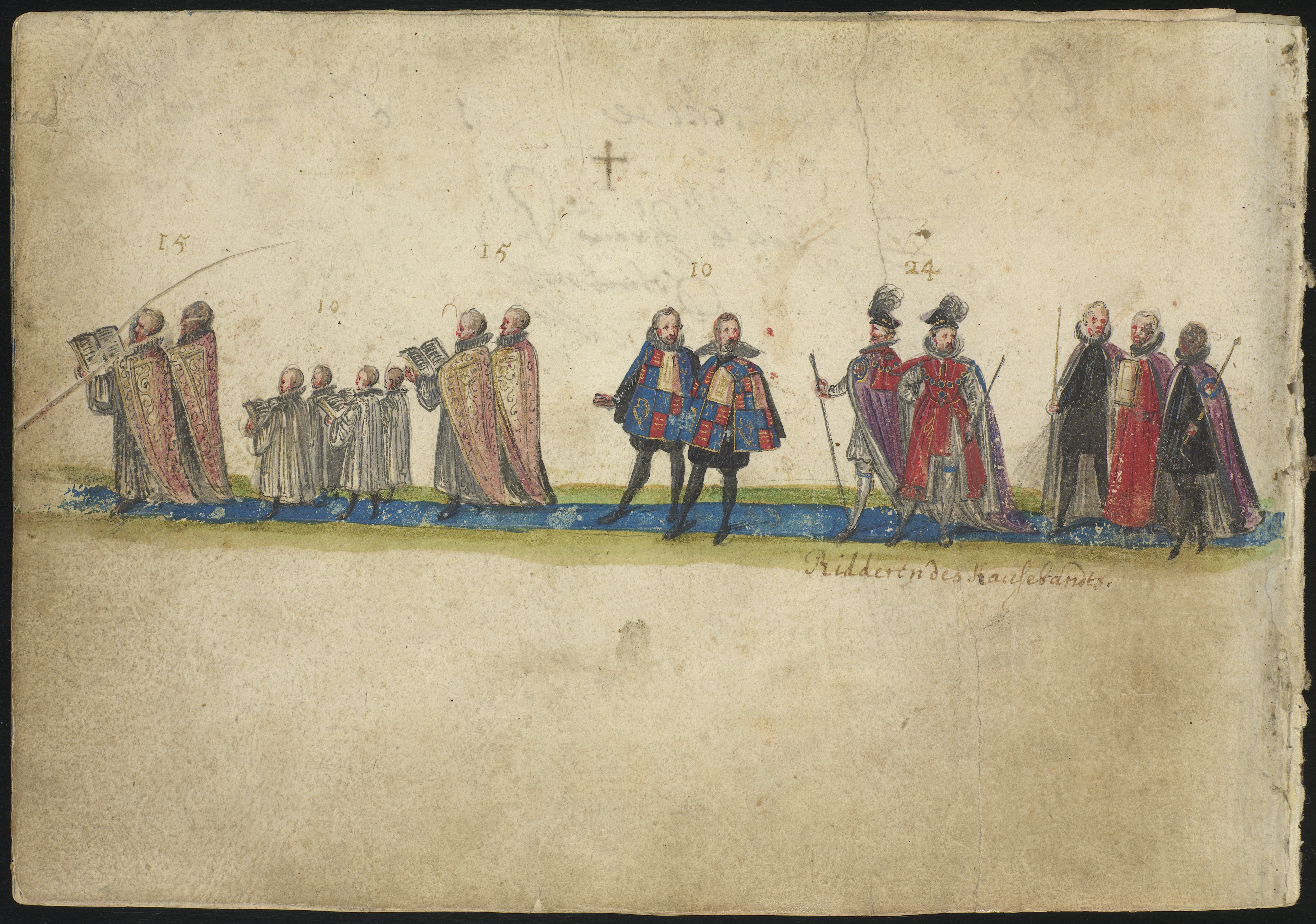
«Children» und «Gentlemen» der jakobinischen Chapel Royal, die bei einer königlichen Prozession für Jakob I singen. Edinburgh, University of Edinburgh, Laing Collection La.III.283 («Album Amicorum»), fol. 57v
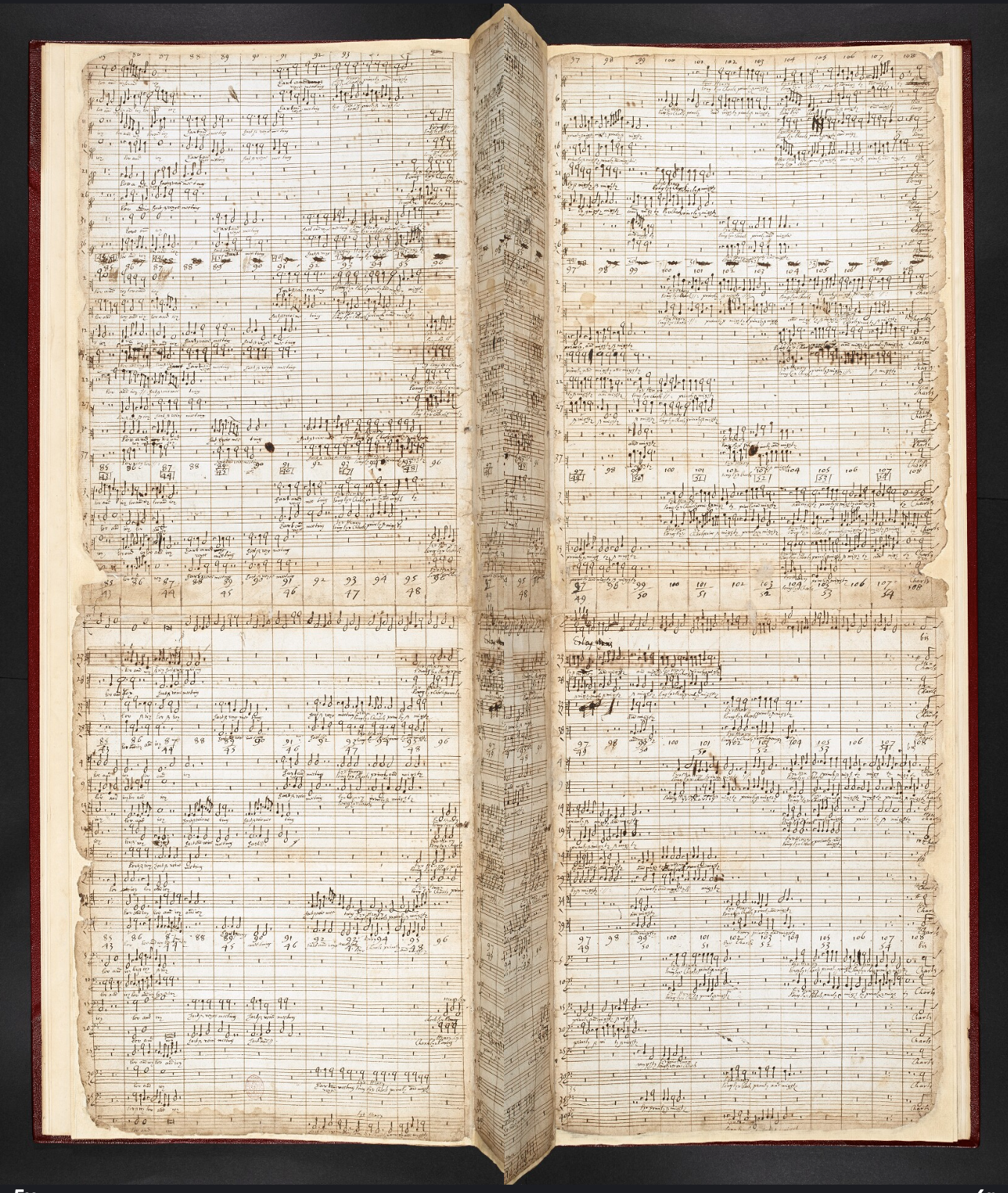
Teil der grossen Partitur zu «Spem in alium» (mit alternativem Text «Sing and glorify») von Thomas Tallis (1505–1585); vierzig eigenständige Stimmen sowie ein begleitender «Thorough Bass». London, British Library, MS Egerton 3512, fol. 1r–6v
Barfüsserkirche
Historisches Museum Basel
Dorfkirche Riehen

Barfüsserkirche
Historisches Museum Basel
3 Kleinkonzerte
St.-Alban Quartier, Basel