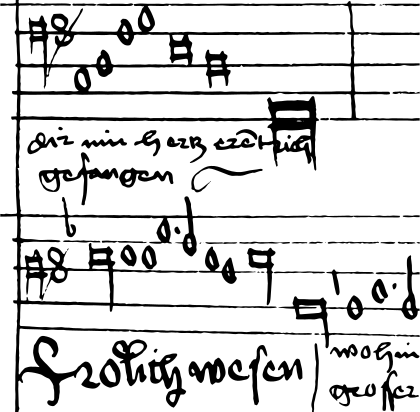
Eisenhand

650 Years Oswald von Wolkenstein
Sat 28.03.26 Sun 29.03.26 18:15 Concert

Sat Stadtkirche Liestal
Sun Barfüsserkirche, HMB

2 Concerts, Liestal & Basel

O

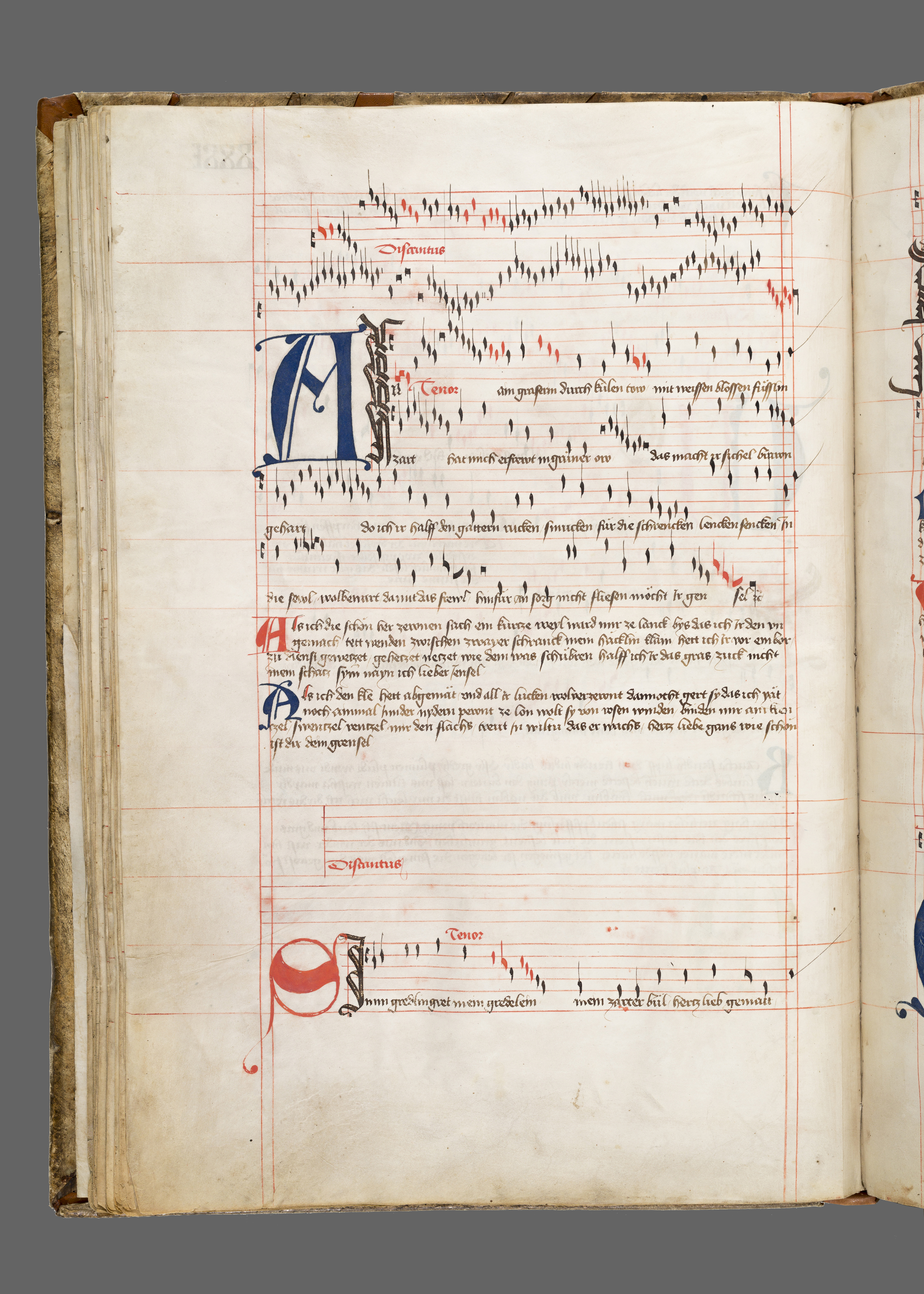
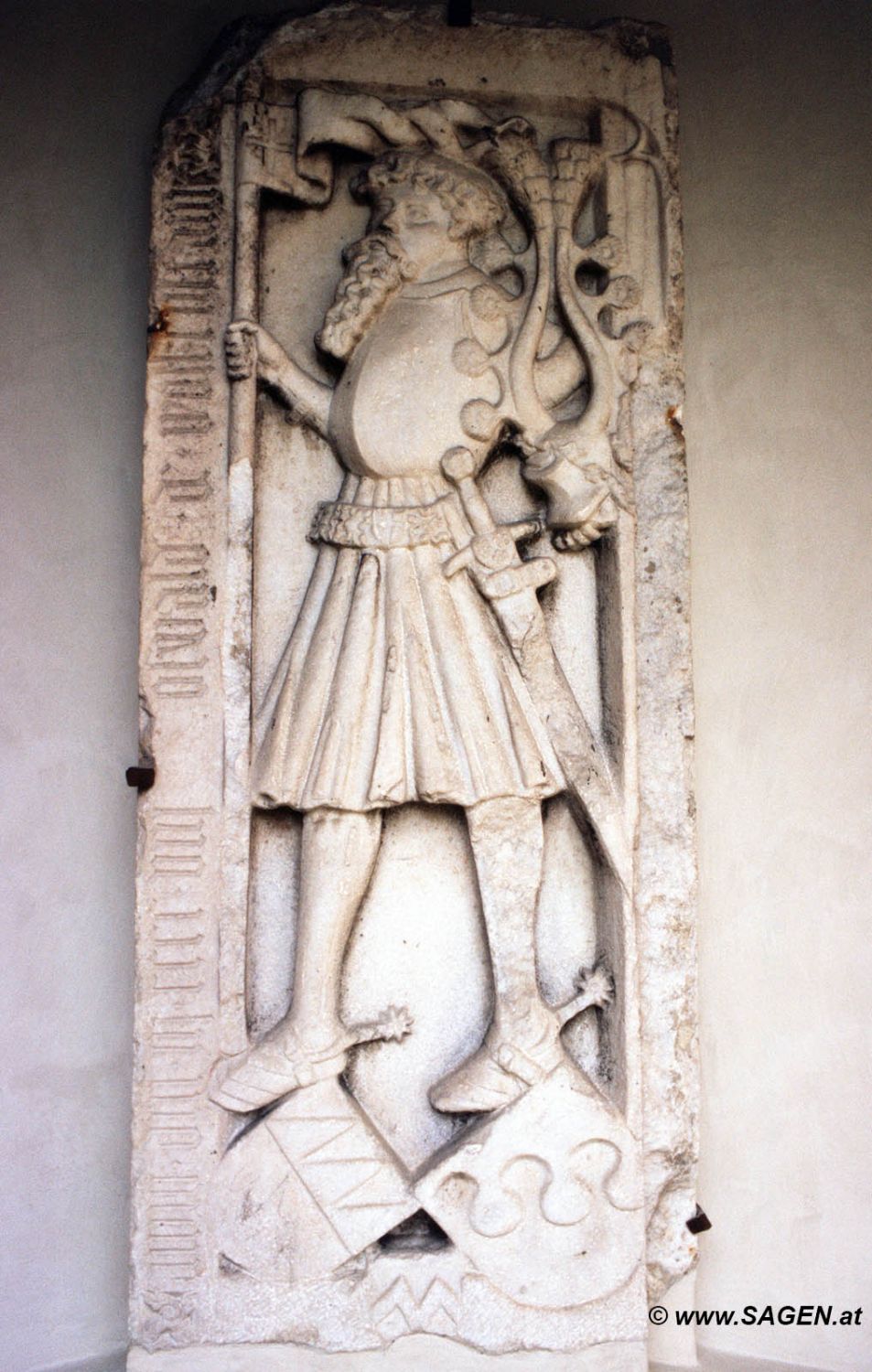
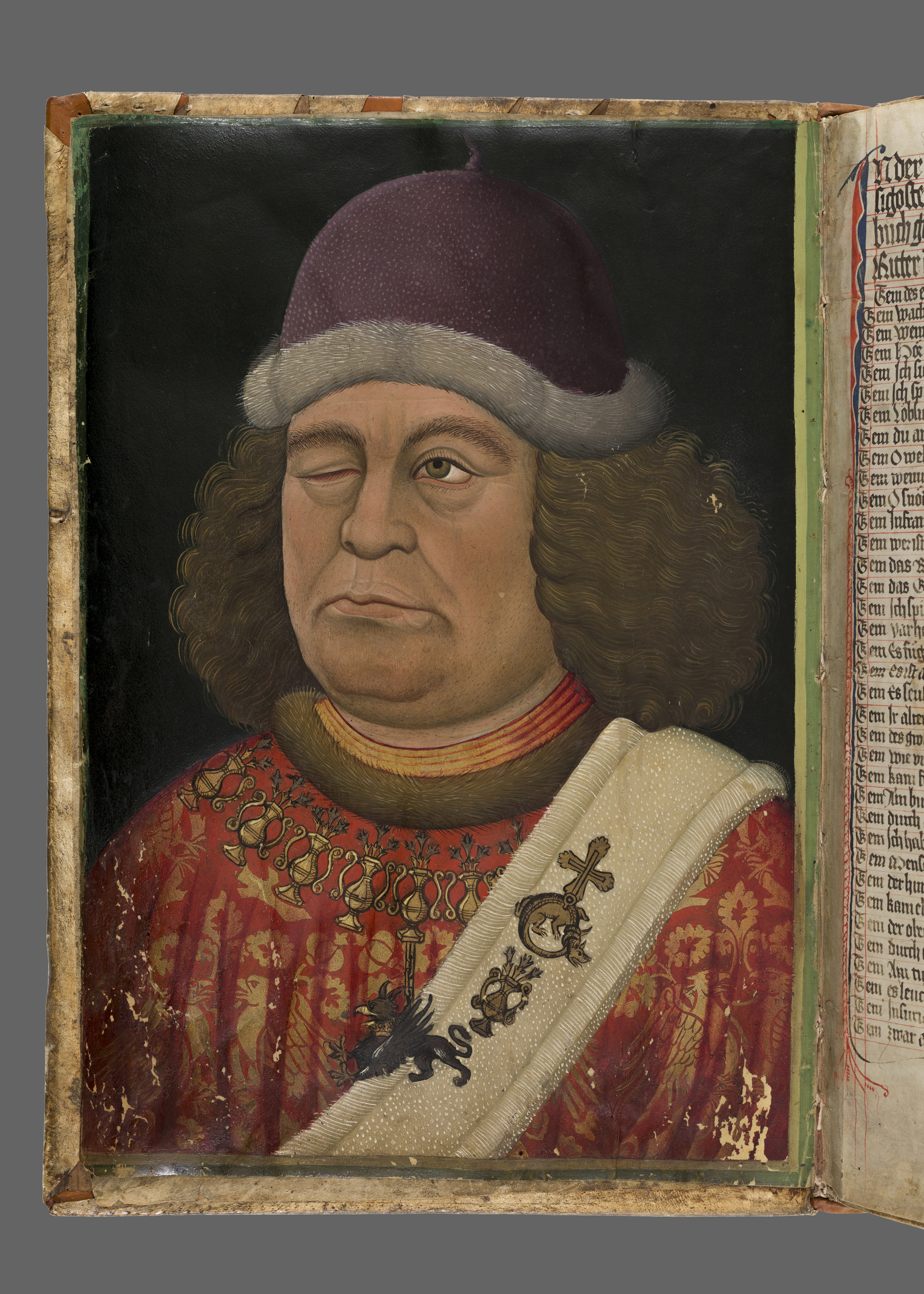
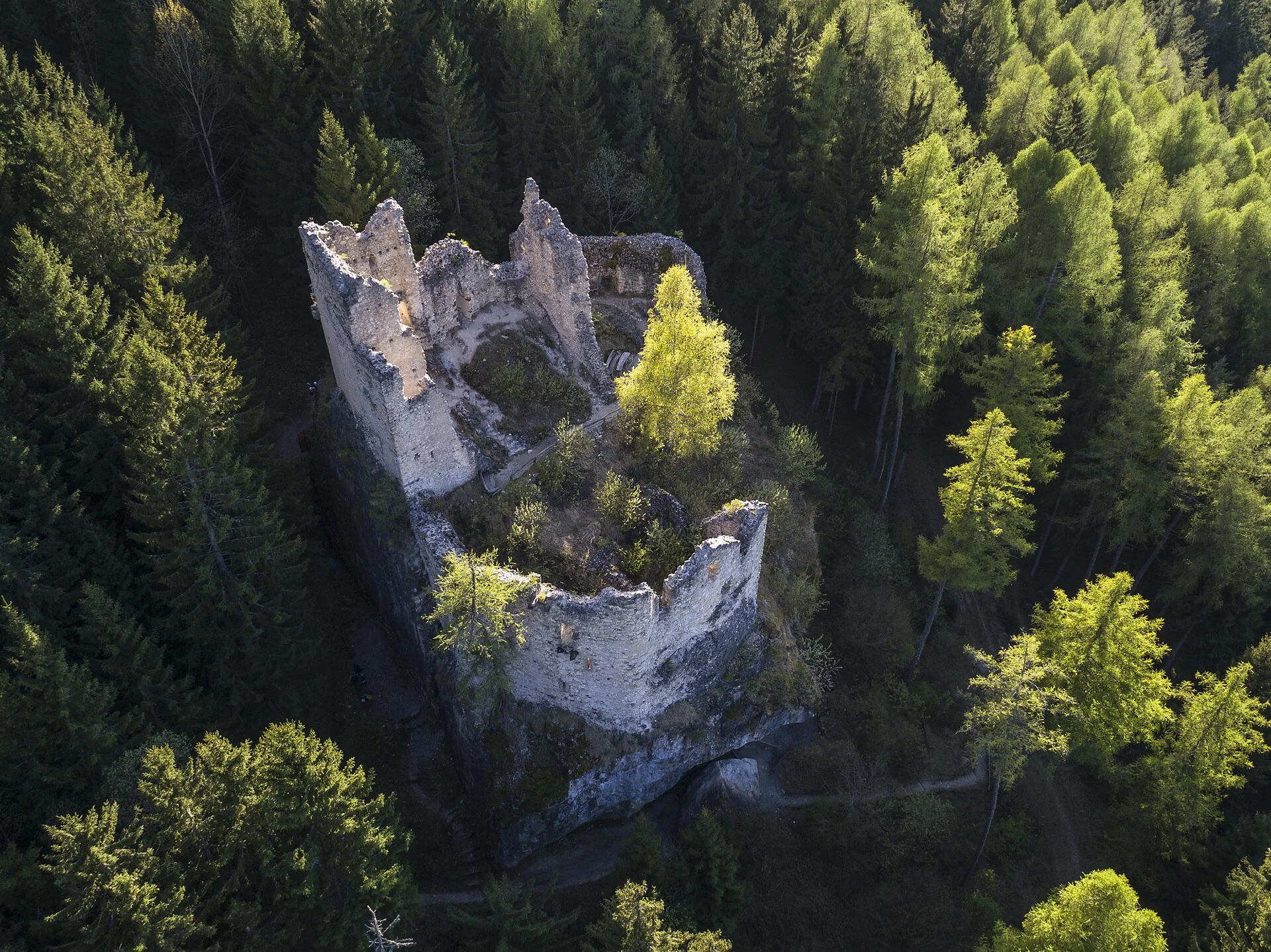
swald von Wolkenstein — politician, knight, world traveler, and at the same time poet, musician, and legendary figure. His songs recount adventures across Europe: journeys to the Council of Basel (where his second song manuscript was created), a pilgrimage to the Holy Land, and even a shipwreck in the Black Sea. Yet they also reveal his deep attachment to his homeland of South Tyrol, whether he sings of the harsh winters in his castle or evokes the stirring arrival of spring in the Val Gardena.

His dazzling personality ultimately made him a figure of local legend. According to tradition, a magic spell lay upon his hand, causing every musical instrument he touched to break — earning him the name «Man de fyèr»: the Iron Hand. In this concert, these two poles of the “last Minnesinger” are brought together and intertwined with his legend.

Grace Newcombe – voice, harp
Korneel Van Neste – voice
Raitis Grigalis – voice
Baptiste Romain – fiddle, bagpipes
Julian Anatol Schneider – narration
Marc Lewon – lute, gittern; direction

Admission free – donations
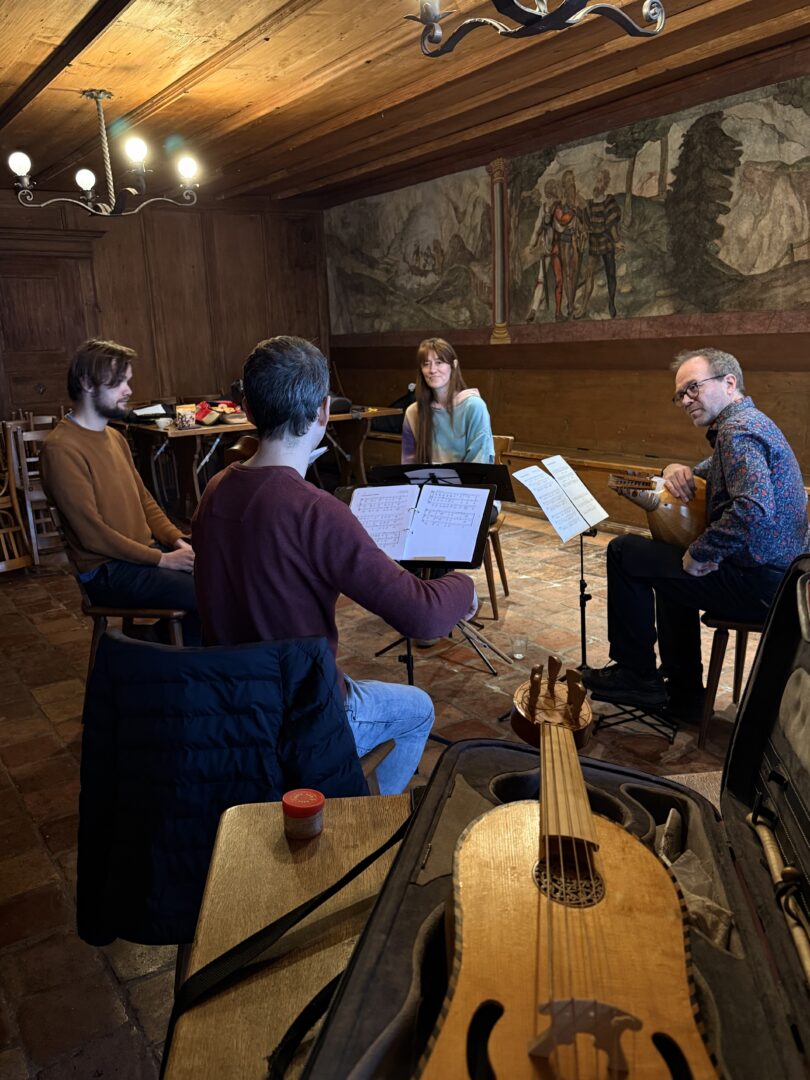
Korneel van Neste, Baptiste Romain, Grace Newcombe und Marc Lewon © ReRenaissance 2026

Interview

Korneel Van Neste answers questions from Dr. Thomas Christ. 

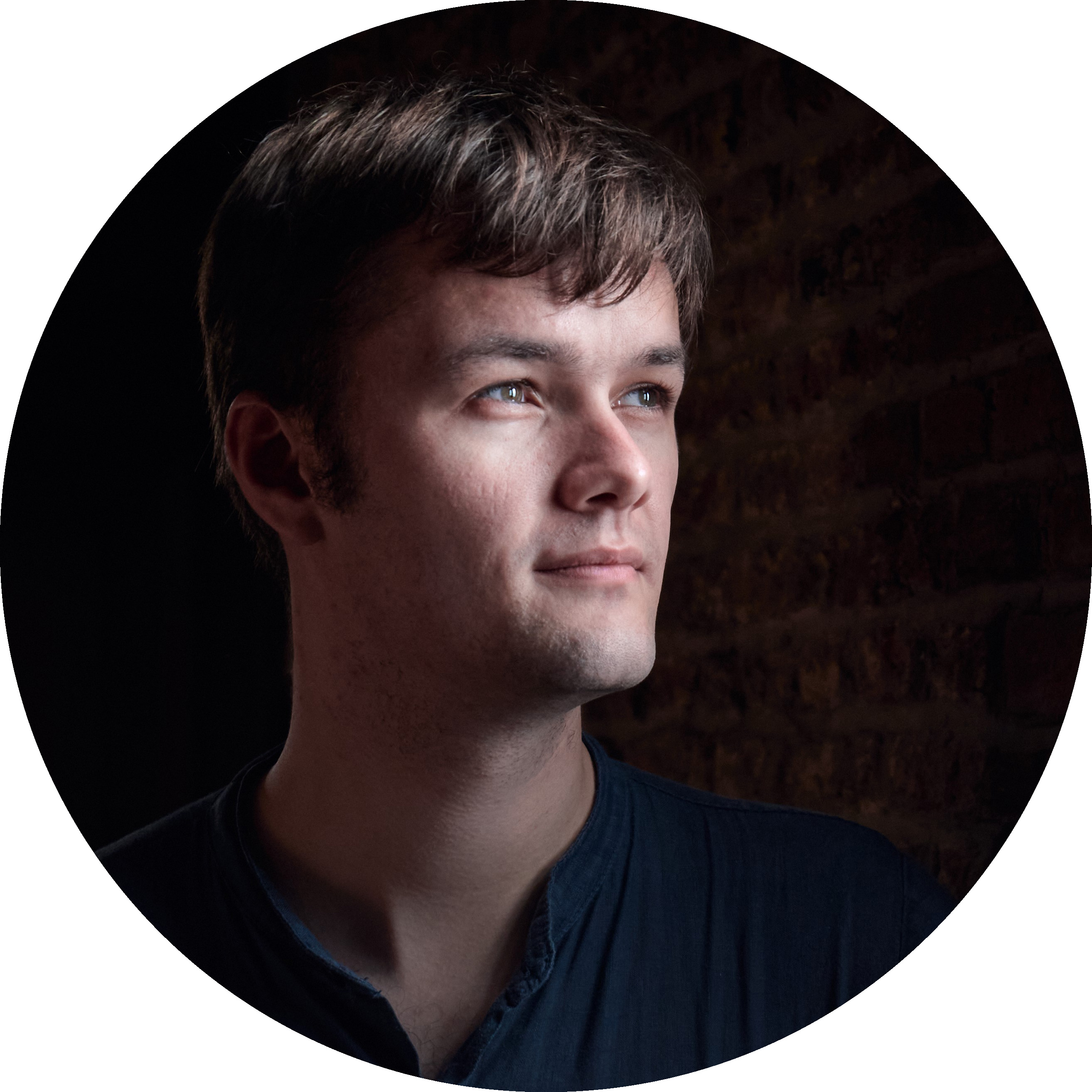
Thomas Christ (TC): Dear Korneel, ReRenaissance is delighted to invite you to our monthly interview. I imagine you gained your first experience of singing in a Belgian choir before you began your music studies at the LUCA School of Arts in Leuven. When did you discover your countertenor voice?

Korneel Van Neste (KVN): I only discovered my countertenor voice quite late in my studies. After having studied as a tenor/baritone for 2 years (and not quite managing to be good at either), my teacher asked me if I had ever tried singing in falsetto. It turned out that, despite the lack of technique at that time, the range was there! Funnily enough my tenor voice started developing after I dedicated most of my time to my countertenor voice, and to this day, I use both voices for concerts.

TC: You’re a well-known figure on Basel’s early music scene, even though you completed your first master’s degree in early music in the Netherlands. How and why did you end up at the Schola Cantorum in Basel?

KVN: Am I? I’m not sure I would go so far as to say I’m a well-known figure, but I feel very much at home in the Basel scene for sure! I visited Basel for the first time in 2023 and could not shake the feeling that this city felt like home, despite never having been there. There is so much early music happening in and around this city, and a lot of it is of the genre that I really appreciate. That is the reason I decided to move here and start a second study in the Schola Cantorum in Medieval music.

TC: Although you have performed many Baroque works on stage, you seem to have a great fascination with lesser-known Renaissance pieces waiting to be rediscovered. In Berlin, you even ran a ‘Renaissance Lab’. Perhaps you could tell us a bit about your passion for historical notation, specifically ‘mensural notation’?

KVN: I discovered that it’s possible to sing from Mensural Notation when I was in Leuven. There, Stratton Bull, the former artistic director of Cappella Pratensis, coached me quite intensively in how to read from historical sources and I found it a bit like solving a puzzle. A lot of artistic choices (like ficta, text placement, etc.) are to be made by the performer and having that as an added challenge on top of a different notation system to ‘decipher’ keeps a performer very engaged. Furthermore, it feels like interacting with history when you sing the music directly from a source that singers from that time would have sung from. Lastly, the sources are just beautiful to look at.

TC: Unlike Baroque and Classical music, there is still much to discover or rediscover in the world of the Renaissance, particularly from the period before the widespread printing of sheet music. What are your main sources? Where do you find your songbooks and visual material?

KVN: There are quite a few websites dedicated to sharing digitisations of manuscripts that are easy to consult. I tend to mainly use DIAMM, IDEM database and Gallica. Some sources have also been made into physical facsimiles, and I must admit I have a few of those lying around at home.

TC: My final question also concerns the differing spheres of influence and popularity of Baroque and Renaissance music. The former has enjoyed great success in concerts and opera for many decades, whilst the rich musical scene prior to 1600 still remains a niche interest. Is Renaissance music on the verge of being rediscovered by a wider audience?

KVN: I think one of the main issues around the music before 1600 is that it can be considered quite an acquired taste. I sometimes compare it to the difference between drinking soft drinks and red wine. Soft drinks are easily accessible for anyone and have wildly different flavours that are easy to discern, whereas it takes training and practice to be able to discern the subtle differences in red wines. Just like that to the untrained ear it can seem like all renaissance music sounds the same, but with a bit of experience you can start hearing the subtle differences and before you know it, you wonder how anyone would be able to not hear the difference between Ockeghem and Desprez.

weiterlesen

Column

I’ll be there

by David Fallows

The claim that Oswald was ‘perhaps the most important poet writing in the German language between Walther von der Vogelweide and Goethe’ has been repeated often enough to have reached the status of cliché. Quite a few of his 132 surviving poems outstay their welcome or seem self-indulgent in their virtuosity; but there are enough poems that seriously sparkle.

On the other hand, his musical reputation has fallen steadily as the number of identified borrowings rose from six in 1924 to its present total of fifteen. Thus, now nearly half of the thirty-seven polyphonic songs in his manuscripts use polyphony that demonstrably originated earlier and with texts in other languages. But when he used polyphony composed by others, he almost certainly did not intend to pass it off as his own. His art in those cases was to be perceived as the art of contrafactum, of devising new texts for well-loved music. No deception was intended; and it seems fair to suggest that nobody was deceived (until the advent of modern musicology).

But we still have almost a hundred songs with melodies only, following on from the song traditions of the troubadours and trouvères in the twelfth and thirteenth centuries. And these will be prominent in this Oswald concert, which also puts him in the context of his native area still often called South Tirol because most of its inhabitants are German speaking, though it is now in Italy and strictly called Alto Adige. Either way round, though, Oswald remains one of the most colourful characters of the fifteenth century. I cannot wait to hear this new interpretation of his life and times.

weiterlesen

Program

Sources:
Wien, Österreichische Nationalbibliothek, Cod. 2777 («WolkA», Wien c1425)
Innsbruck, Universitätsbibliothek, ohne Signatur («WolkB», Basel? c1432)
All music editions except Nr. 9: Marc Lewon

cursive = instrumental

Das Alpenglühen
Wolff, Karl Felix: Dolomitensagen. Sagen und Überlieferungen, Märchen und Erzählungen der ladinischen und deutschen Dolomitenbewohner, Bozen 1913, 20. Auflage 2019, S. 73–74

1 Durch Barbarei, Arabia – WolkB, fol. 18v–19r

2 Sag an, herzlieb / Los, frou, und hör des hornes schal – WolkA, fol. 17v–18r; unbestätigte Kontrafaktur

3 Stand auff maredel / Frou, ich enmag – WolkA, fol. 14v–15r; Kontrafaktur über das anonyme Rondeau «Jour a jour la vie»

Die Seiser Alm und die «Verheißene Zeit»
Dolomitensagen, S. 78–80

4 Zergangen ist meins herzen we – WolkB, fol. 47v–48r

5 Mich tröst ain adeliche mait – WolkA, fol. 39v–40r & WolkB, fol. 32r–v; Contratenor: Marc Lewon

6 Ain graserin durch küelen tou – WolkB, fol. 31v

7 Ain guet geboren edel man – einstimmig: WolkA, fol. 47v; dreistimmig: WolkB, fol. 16v (Discantus & Contratenor) & 18r–v (Tenor & Text)

Eisenhand (Man de fyèr), Teil 1
Dolomitensagen, S. 176–179

8 Wach, mentschlich tier – WolkB, fol. 1r–v

9 Ich hör, sich manger fröuen lat – WolkA, fol. 38v & WolkB, fol. 44r

Eisenhand (Man de fyèr), Teil 2

10 Du ausserweltes schöns mein herz – WolkB, fol. 13v–14r; Kontrafaktur über die anonyme Ballade «Je voy mon cuer»

11 Vier hundert jar auf erd – WolkA, fol. 52v; Kontrafaktur über «A son plaisir» von Pierre Fontaine

Eisenhand (Man de fyèr), Teil 3

12 Var heng und lass – WolkA, fol. 7v–8r

13 Fräu dich du weltlich creatur – WolkA, fol. 16r–v; unbestätigte Kontrafaktur über einen vermutlich burgundischen Satz

14 Gar wunniklich hat sie mein herz besessen – WolkA, fol. 25r; zweistimmiger Kanon, Edition und Rekonstruktion: Marc Lewon & Uri Smilansky

2026

June

Ach, wie grausam – A que vile

Songs for a mysterious lady
Sat 27.06.26 Su 28.06.2026 18:15 Concert

Sa Nydeggkirche, Bern
Su Barfüsserkirche, Historisches Museum Basel

September

Quodlibet

Puzzles, fun and games
Sat 26.09.26 Sun 27.09.26 18:15 Concert

Kirche Reigoldswil &
Barfüsserkirche Basel

October

The Queen’s Singers

The extravagant court chapel of the Tudors
Sun 25.10.26 18:15 Concert

Martinskirche
Basel

November

Byrd & the Baron

A secret Christmas
Sun 29.11.26 18:15 Concert

Barfüsserkirche
Historisches Museum Basel